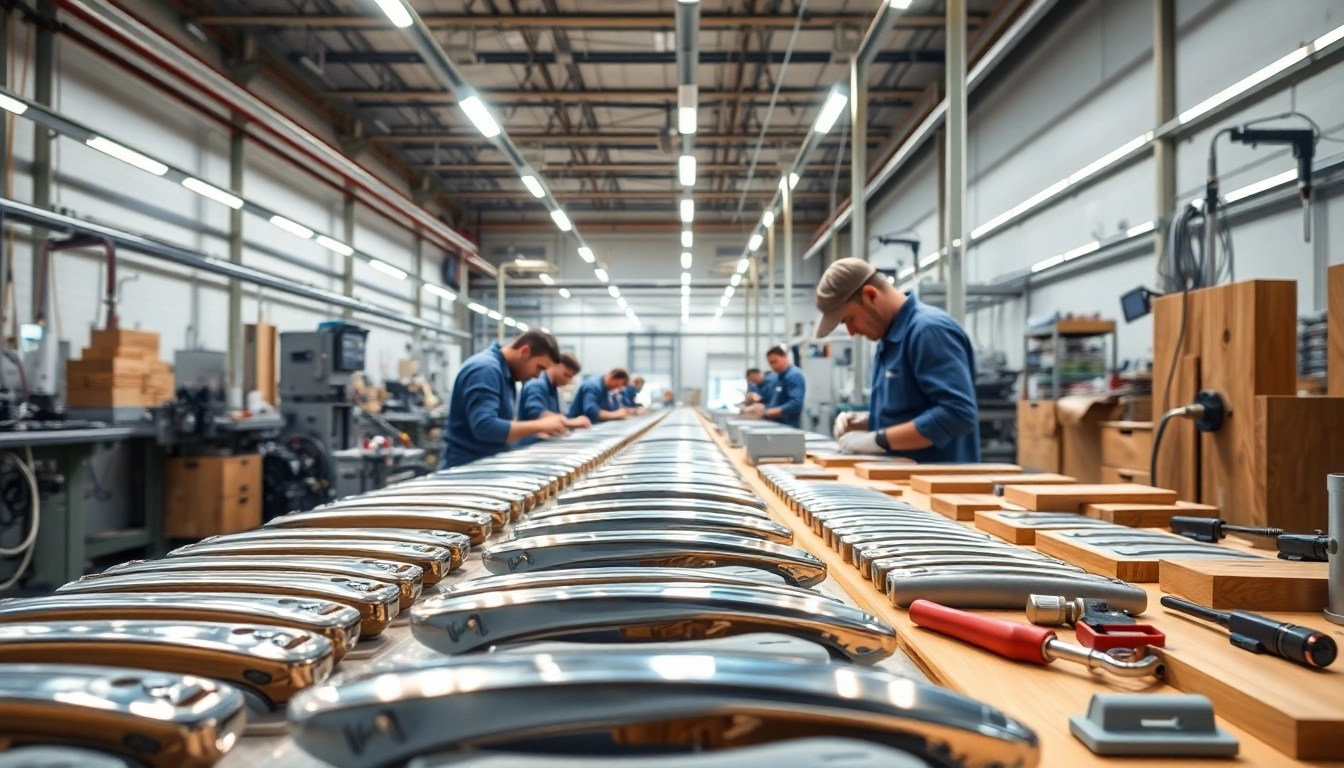

Understanding Custom Part Manufacturer Services
In today’s manufacturing landscape, businesses increasingly rely on specialized services to meet their unique production needs. A custom part manufacturer plays a pivotal role in this process, transforming ideas into tangible products through tailored manufacturing solutions. This article explores the multifaceted world of custom part manufacturing, elucidating its significance, processes, and the factors to consider when selecting the right manufacturer for your projects.
What is a Custom Part Manufacturer?
A custom part manufacturer is a specialized entity that produces components based on specific client specifications. Unlike standard manufacturing which uses predetermined designs, custom manufacturing pivots around the unique requirements of individual projects. This concept extends across various industries, including aerospace, automotive, medical, and electronics, allowing companies to create parts that meet precise standards and functions.
Types of Custom Manufacturing Processes
Custom manufacturing encompasses several processes tailored to the specific needs of the project and the material being used. Here are some of the primary types:
- CNC Machining: A highly precise manufacturing technique that uses computer-controlled machines to produce complex parts from various materials.
- Additive Manufacturing: Also known as 3D printing, this process builds parts layer by layer, allowing for intricate designs and reductions in waste material.
- Injection Molding: A process ideal for producing large quantities of parts, where plastic is melted and injected into molds to create complex shapes quickly.
- Sheet Metal Fabrication: This process involves cutting, bending, and shaping metal sheets to create parts that are both strong and lightweight.
- Casting: Involves pouring liquid material into a mold to solidify, suitable for creating complex shapes that may be challenging to machine.
Benefits of Using a Custom Part Manufacturer
The advantages of engaging with a custom part manufacturer are manifold:
- Precision: Custom manufacturers focus on accuracy, ensuring that each part complies with exact specifications.
- Material Variety: Access to a wide range of materials tailored to the specific needs and properties required for each application.
- Innovation: Expertise in design and manufacturing allows for innovative solutions and prototypes that outshine conventional offerings.
- Scalability: Whether it’s a bespoke item or a large order, custom manufacturers can scale production efforts accordingly.
- Cost-Efficiency: While the initial investment may be higher, tailored manufacturing often results in lower overall costs through reduced wastage and enhanced production efficiency.
Choosing the Right Custom Part Manufacturer
Selecting an appropriate custom part manufacturer is paramount for successful project outcomes. Here are essential considerations to guide your decision-making process:
Evaluating Manufacturer Capabilities
Before engaging with a custom part manufacturer, thoroughly evaluate their capabilities. This involves assessing their machinery, technology adoption, and experience level. Ask pointed questions like:
- What specific manufacturing processes do you specialize in?
- Can you provide references or case studies illustrating your previous work?
- What is your production capacity, and can you accommodate urgent requests?
Quality Assurance & Certifications
Quality is non-negotiable in manufacturing. Look for manufacturers who possess relevant industry certifications such as ISO 9001, which indicates commitment to quality management practices. An effective quality assurance program should encompass every stage of production, from initial design to final delivery, ensuring parts meet stringent requirements.
Cost vs. Value Considerations
When budgeting for custom manufacturing, balance cost against value. An inexpensive option might seem appealing initially, but potential hidden costs could negate any savings. Consider the total cost of ownership, including quality, durability, and service level. Often, investing slightly more upfront leads to significant long-term savings through fewer defects and replacements.
Common Industries Utilizing Custom Part Manufacturing
Various industries benefit from custom part manufacturing, leveraging specialized solutions to enhance their operations. Here’s a closer look at some of these sectors:
Automotive Industry Applications
The automotive sector relies heavily on custom part manufacturers to produce specialized components like engine parts, chassis elements, and electronic housings. As automotive technology evolves towards electric and automated vehicles, the demand for innovative parts continues to rise, making custom manufacturing an indispensable partner in these advancements.
Aerospace Component Requirements
Precision and reliability are critical in aerospace manufacturing. Components must withstand extreme conditions and meet extensive regulatory requirements. Custom part manufacturers provide the exacting specifications needed for everything from airframes to interior systems, ensuring safety and performance standards are consistently met.
Medical Device Manufacturing Needs
The medical industry demands high-quality, reliable parts for devices and equipment. Custom manufacturers play a vital role in fabricating components for surgical instruments, diagnostic machines, and implantable devices. Ensuring compliance with health regulations and maintaining strict quality control is paramount in this sector.
Designing Parts for Custom Manufacturing
The design phase is critical for successful custom manufacturing. Proper design considerations can streamline the production process and ensure the final product meets expectations.
Understanding CAD and Prototyping Tools
Computer-Aided Design (CAD) software facilitates efficient design creation and modification. CAD tools also allow for virtual testing before physical production begins, enabling faster iterations and improvements. Prototyping is a dynamic process where initial designs are transformed into physical models, providing valuable feedback for further refinements.
Material Selection for Custom Parts
Selecting the right material is crucial. Factors such as the intended function, environment, and manufacturing method must guide decisions. Common materials include metals, plastics, composites, and ceramics, each offering unique benefits regarding strength, weight, and cost.
Iterative Design and Feedback Process
The iterative design process is essential in custom manufacturing. By continuously testing and refining designs based on feedback, manufacturers can enhance functionality and production feasibility. Maintaining open communication channels with the manufacturer during this stage fosters collaboration and aligns expectations.
Trends in Custom Part Manufacturing
Custom part manufacturing is constantly evolving, driven by technological advancements and changing market demands. Understanding these trends can better inform businesses looking to navigate this landscape.
Impact of Automation on Manufacturing
Automation is transforming the custom manufacturing sector. Intelligent machinery reduces manual labor demands, enhances precision, and allows for scalable production without sacrificing quality. Furthermore, automation in data analysis helps manufacturers predict trends and streamline operational efficiencies.
Sustainable Practices in Custom Manufacturing
As companies seek to minimize environmental impact, sustainable practices become increasingly critical. Using recyclable materials, reducing waste during manufacturing, and investing in energy-efficient technologies are strategies custom manufacturers are adopting to promote sustainability.
The Future of Custom Part Manufacturing Technology
Emerging technologies such as AI and IoT are paving the way for smarter manufacturing. Enhanced data connectivity can lead to better inventory management, predictive maintenance, and improved overall efficiency. As innovations continue to unfold, the potential for custom part manufacturing is poised for remarkable growth and transformation.
Frequently Asked Questions (FAQs)
1. What is a custom part manufacturer?
A custom part manufacturer produces components based on specific client specifications, focusing on unique designs rather than standard products.
2. What industries benefit from custom part manufacturing?
Industries such as automotive, aerospace, medical device manufacturing, and electronics extensively utilize custom part manufacturing for specialized components.
3. How do I choose the right manufacturer?
Evaluate a manufacturer’s capabilities, quality assurance practices, and cost vs. value to ensure they meet your project needs effectively.
4. What technologies are driving custom manufacturing?
Technologies like CNC machining, 3D printing, and automation are significantly enhancing precision, efficiency, and scalability in custom manufacturing.
5. How can I ensure quality in custom parts?
Select manufacturers with industry certifications and rigorous quality assurance processes to ensure your custom parts meet necessary specifications.