
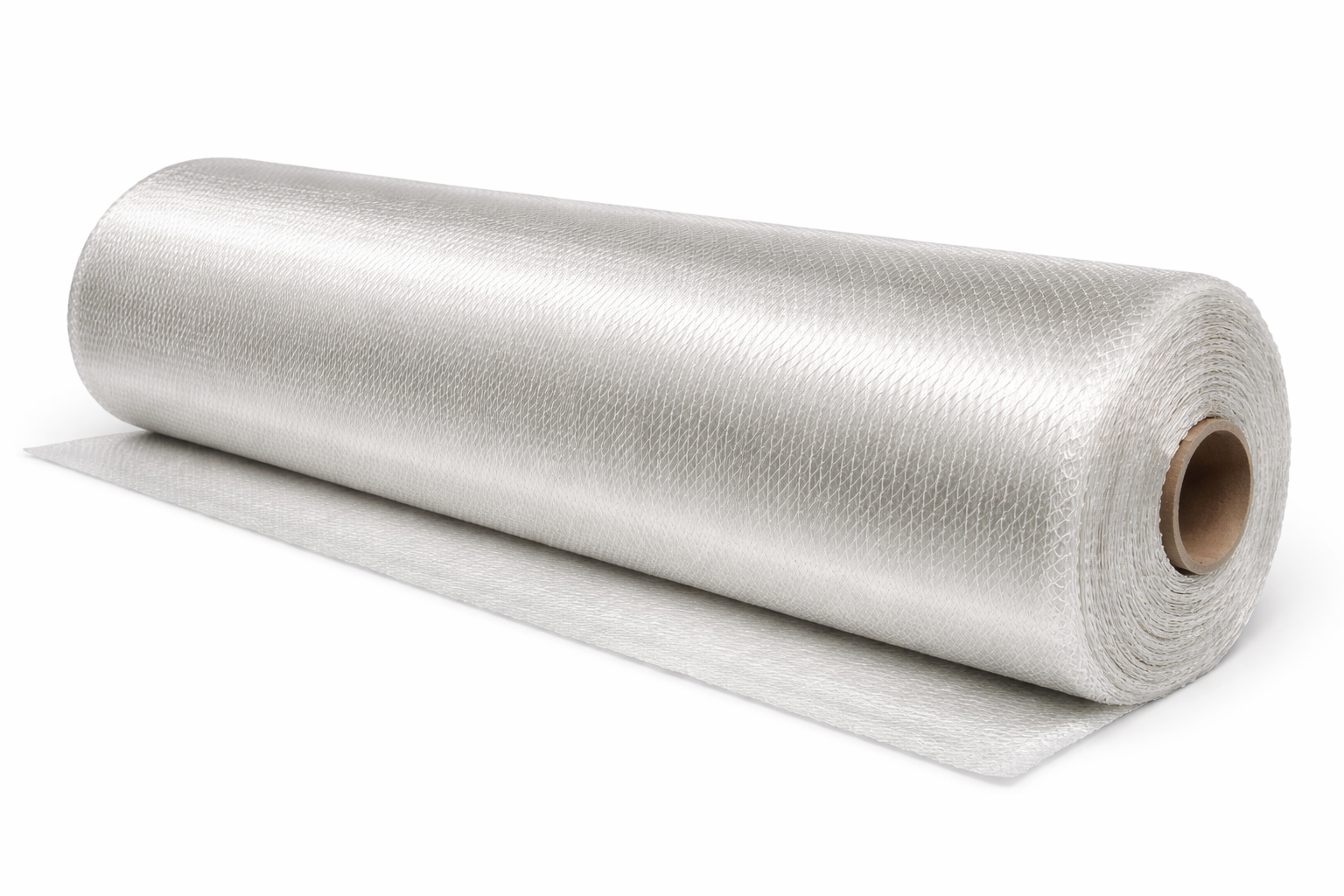
Introduction to 1708 Biaxial Fiberglass Mat
When it comes to reinforcing composite materials for industrial applications, the 1708 Biaxial Fiberglass Mat is one of the top choices. This versatile material is a hybrid of 17 oz/sq. yd. ±45° biaxial fabric and 0.75 oz/sq. ft. chopped strand mat (CSM), making it highly effective in providing both strength and flexibility. Whether you are working in the marine, automotive, aerospace, or construction industries, choosing the best 1708 biaxial fiberglass mat is crucial to ensure that your composites meet the necessary performance standards. In this article, we will guide you through the process of choosing the best 1708 Biaxial Fiberglass Mat for your industrial needs.
Key Factors to Consider When Choosing 1708 Biaxial Fiberglass Mat
When selecting the right 1708 Biaxial Fiberglass Mat for your composite project, there are several key factors that you should consider. These factors will help you choose the best mat that meets the specific requirements of your project, ensuring optimal performance and durability.
1. Strength Requirements
One of the most important factors to consider is the strength required for your application. The 1708 Biaxial Fiberglass Mat offers multi-directional strength due to the biaxial fabric woven at a ±45° angle. This ensures that the mat can handle stresses from multiple directions, which is ideal for applications that involve complex loads, such as marine hulls, automotive parts, or structural components.
If your project requires high tensile strength and impact resistance, ensure that the 1708 Biaxial Fiberglass Mat you choose provides the level of strength necessary for your composite material to withstand high-stress conditions.
2. Flexibility and Conformability
The flexibility of the 1708 Biaxial Fiberglass Mat is another important consideration. Depending on your application, you may need a mat that can conform to intricate shapes and contours without compromising its performance. The 1708 Biaxial Fiberglass Mat provides this flexibility while maintaining its strength, making it suitable for molding into complex forms.
Whether you are fabricating parts for the automotive industry, where precise molding is critical, or creating boat hulls in the marine industry, ensure that the 1708 Biaxial Fiberglass Mat you choose can be easily shaped to meet the design requirements of your project.
3. Bonding Properties with Resin Systems
The ability of the 1708 Biaxial Fiberglass Mat to bond with resin systems is another key factor to consider. The CSM layer in the mat enhances its bonding properties, ensuring a strong and cohesive bond between the mat and the resin. This is especially important when you need a durable and long-lasting composite that can withstand harsh environmental conditions.
If your project involves using specific resin systems such as polyester, vinyl ester, or epoxy, make sure that the 1708 Biaxial Fiberglass Mat you select is compatible with your chosen resin to ensure the best bonding performance.
4. Impact Resistance and Durability
In industrial applications, the ability of the 1708 Biaxial Fiberglass Mat to resist impact and wear is critical to maintaining the structural integrity of the composite material over time. The biaxial fabric provides excellent resistance to impact and shock, while the CSM layer ensures the material can absorb and distribute these forces effectively.
If your composite material will be exposed to heavy impact, such as in automotive bumpers or boat hulls, look for a 1708 Biaxial Fiberglass Mat that offers enhanced impact resistance and durability to prevent cracking, breaking, or deformation.
5. Weight Considerations
The weight of the 1708 Biaxial Fiberglass Mat is another factor to consider, especially in industries like aerospace and automotive manufacturing, where weight reduction is a priority. The 1708 Biaxial Fiberglass Mat is designed to provide strength without significantly adding to the weight of the composite material, making it ideal for lightweight applications where performance is critical.
When choosing the best mat for your project, ensure that the weight of the mat aligns with your desired specifications for strength-to-weight ratio.
How to Select the Right 1708 Biaxial Fiberglass Mat for Your Industry
Each industry has specific needs and requirements when it comes to composite materials, and choosing the right 1708 Biaxial Fiberglass Mat depends on your application. Here are some tips for selecting the best mat based on your industry:
Marine Industry
In the marine industry, composite materials need to withstand harsh saltwater environments while maintaining flexibility and strength. The 1708 Biaxial Fiberglass Mat is ideal for reinforcing boat hulls, decks, and other watercraft components. Its ability to resist corrosion, combined with its strength and flexibility, ensures that it performs well in marine applications.
For marine projects, ensure that the 1708 Biaxial Fiberglass Mat you choose offers the level of impact resistance and durability necessary for prolonged exposure to water and other environmental stresses.
Automotive Industry
In automotive manufacturing, the 1708 Biaxial Fiberglass Mat is used to reinforce body panels, bumpers, and structural components. When choosing a mat for automotive applications, look for one that offers excellent impact resistance and can be easily molded into the complex shapes required for automotive designs.
The 1708 Biaxial Fiberglass Mat is perfect for providing the strength needed to meet crash and safety requirements while maintaining a lightweight design for better fuel efficiency.
Aerospace Industry
The aerospace industry requires composite materials that are lightweight yet strong enough to withstand extreme conditions. The 1708 Biaxial Fiberglass Mat provides the perfect combination of strength and flexibility, making it ideal for reinforcing aircraft components such as wings and fuselages.
When selecting a 1708 Biaxial Fiberglass Mat for aerospace projects, ensure that the mat offers a high strength-to-weight ratio and can withstand the environmental conditions that aircraft are exposed to during flight.
Construction Industry
In the construction industry, the 1708 Biaxial Fiberglass Mat is often used to reinforce concrete and other building materials. It improves the tensile strength of these materials, making them more durable and resistant to wear.
For construction applications, make sure the 1708 Biaxial Fiberglass Mat you choose offers the necessary reinforcement for the size and scale of your project. Look for mats that provide a balance between strength and cost-efficiency.
Conclusion
Choosing the best 1708 Biaxial Fiberglass Mat for your industrial needs involves considering several factors, including strength, flexibility, bonding properties, impact resistance, and weight. By carefully evaluating your project requirements and understanding the benefits that the 1708 Biaxial Fiberglass Mat provides, you can ensure that you select the right reinforcement material for your composite project. Whether you’re working in marine, automotive, aerospace, or construction, the 1708 Biaxial Fiberglass Mat is a reliable and versatile choice that will enhance the performance and durability of your composite materials.


