1. Introduction to Structural Steel Construction
1.1 What is Structural Steel?
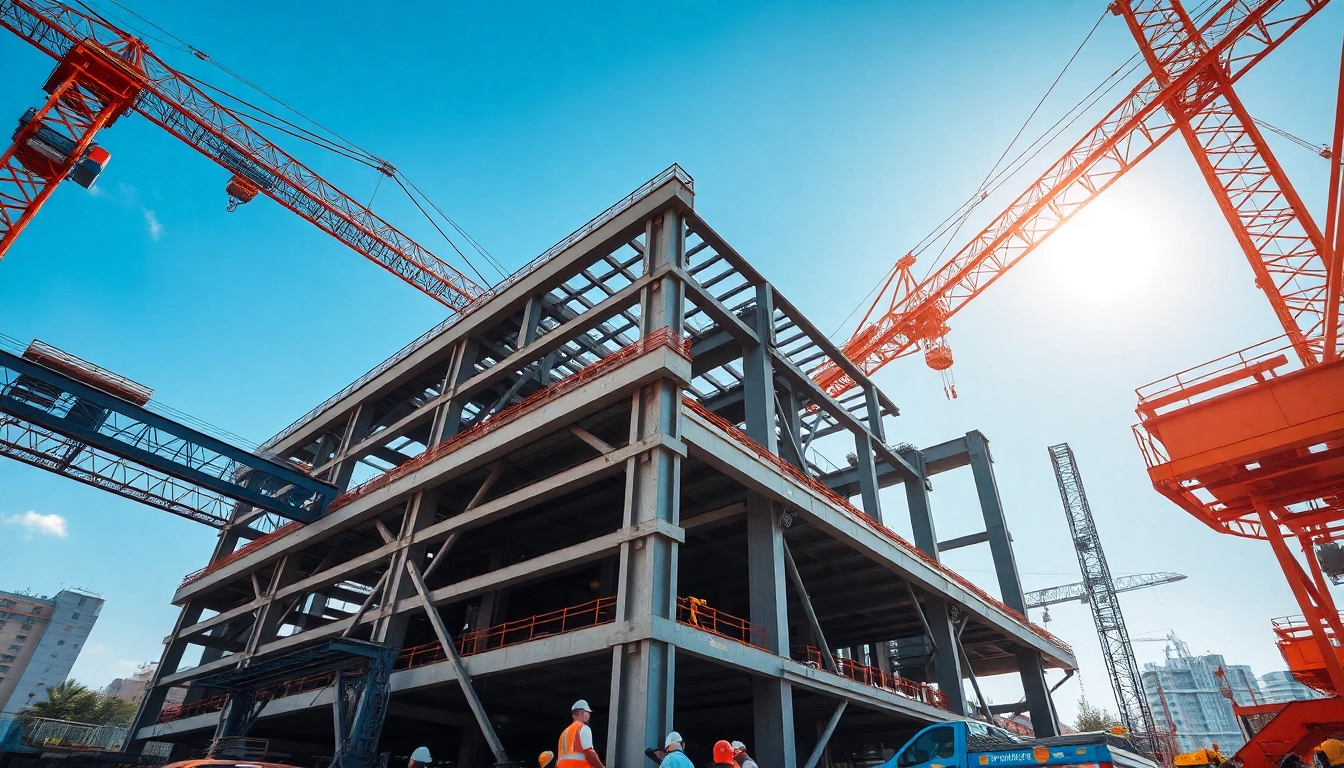
Structural steel is a category of steel construction material that is utilized in the creation of buildings and various infrastructure. It is manufactured to meet specific structural specifications, ensuring that each piece exhibits predictable performance under varying loads and stresses. Common forms of structural steel include beams, columns, angles, and plates, which can be assembled and welded or bolted together to form the skeleton of a building or structure.
1.2 Importance in Modern Architecture
In the realm of modern architecture, structural steel plays a pivotal role due to its inherent properties and adaptability. It enables architects to design tall skyscrapers, intricate bridges, and expansive industrial facilities. Its capacity for withstanding substantial weight and its resistance to extreme weather conditions make it a preferred choice for projects that demand both beauty and functionality. Moreover, structural steel construction empowers innovative designs by allowing for larger open spaces and less intrusive support systems.
1.3 Key Properties of Structural Steel
Structural steel is prized for several key properties that enhance its suitability in construction. Primarily, its high strength-to-weight ratio allows it to bear heavy loads while remaining relatively lightweight compared to other materials. Additionally, it exhibits excellent ductility, which means it can deform significantly before failing — a crucial safety characteristic in seismic-prone areas. Furthermore, its durability ensures resistance against corrosion and aging, making structural steel a long-lasting choice for infrastructure.
2. Advantages of Structural Steel Construction
2.1 Durability and Strength
The durability of structural steel is a key advantage; it can withstand harsh environmental conditions, including high winds, heavy snowfall, and seismic activity. Its strength allows it to maintain structural integrity over time and resist damage from external forces, translating to lower maintenance costs and longer lifespans for buildings and structures. As structural steel does not warp, crack, or split, it continues to perform effectively even under the stress of changing weather conditions.
2.2 Design Flexibility
Structural steel provides unparalleled design flexibility, allowing architects and engineers to create innovative forms that can stand out aesthetically while also meeting functional requirements. Its capability for being fabricated into varied shapes and sizes enables creative architectural solutions that would be challenging with traditional materials such as concrete or timber. Moreover, the lightweight nature of structural steel reduces the need for extensive foundations, allowing designs to be more ambitious and imaginative.
2.3 Cost-Effectiveness
When considering the total cost of a construction project, structural steel can prove to be more cost-effective than other materials. Although the initial price of steel might be higher than that of concrete or timber, the durability, low-maintenance requirements, and faster construction times associated with steel structures contribute to overall savings. Additionally, with advancements in prefabrication techniques, steel components can be manufactured off-site, reducing labor costs and enhancing construction speed.
3. Challenges in Structural Steel Construction
3.1 Environmental Considerations
Despite its advantages, structural steel construction presents several environmental challenges. The production of steel is energy-intensive and often involves the release of greenhouse gases, which contributes to climate change. However, with the rise of sustainability initiatives, many manufacturers are now focusing on reducing their carbon footprint by investing in cleaner production technologies and utilizing recycled materials. The push for sustainable practices is becoming increasingly crucial in the construction industry as it aims to mitigate the environmental impact of building practices.
3.2 Safety Concerns on Site
Safety remains a foremost concern in structural steel construction. The assembly of steel frameworks at heights poses risks if not managed properly. Fatalities and injuries can occur from falls, falling objects, or equipment-related accidents. To address these issues, comprehensive safety training and adherence to established regulations are vital. Implementing strict safety protocols, using fall protection systems, and ensuring regular inspections of equipment can significantly reduce accidents on site.
3.3 Supply Chain Issues
Supply chain disruptions can severely impact the timber supply of structural steel and consequently delay construction projects. The industry has faced challenges due to fluctuations in demand, trade tariffs, and global events that affect logistics. These issues necessitate a proactive approach in supply chain management, incorporating diversified sourcing strategies, fostering collaboration with suppliers, and potentially creating stockpiles to buffer against unforeseen shortages.
4. Best Practices in Structural Steel Projects
4.1 Project Planning and Design
Effective project planning is essential to the success of a structural steel project. From the conception of the design to the final execution, careful consideration must be given to the structural requirements, material specifications, and construction methods. Engaging stakeholders early in the planning phase, including architects, engineers, and contractors, can lead to a well-coordinated workflow, identify potential pitfalls, and streamline the decision-making process. Adopting Building Information Modeling (BIM) can further enhance planning by enabling collaborative design and real-time adjustments.
4.2 Quality Control and Inspection
Maintaining high-quality standards in structural steel construction is critical to ensure safety and performance. Regular inspections throughout the fabrication and assembly phases help detect defects early and adhere to building codes. Implementing a robust quality control process that includes systematic evaluations and material testing can lead to enhanced reliability of structures and minimize the risk of future failure.
4.3 Effective Collaboration Among Teams
Collaboration among multidisciplinary teams significantly impacts the success of structural steel projects. Clear communication channels and an understanding of each team member's roles and responsibilities foster an environment where challenges can be addressed collaboratively. Regular meetings, progress reports, and open forums for feedback facilitate a coherent workflow and drive project objectives forward while ensuring compliance with timelines.
5. Future Trends in Structural Steel Construction
5.1 Innovations in Steel Technology
The landscape of structural steel construction is continually evolving, driven by innovations in steel technology. Advancements such as high-strength structural steel and smart steel, embedded with sensors, are gaining traction in the construction industry. These innovations enhance the performance and monitoring capabilities of buildings, allowing for real-time assessments of structural integrity and maintenance needs. With continuous research and development, the prospects for new steel grades and composites hold tremendous promise for the future of construction.
5.2 Sustainable Practices
Sustainability is becoming a focal point in construction, and the structural steel industry is no exception. The push for green building practices encompasses various aspects such as using recycled materials, reducing waste during manufacturing and construction phases, and reducing energy consumption. Furthermore, incorporating sustainable design principles that prioritize energy efficiency in proposed structures is essential. As demand for environmentally responsible construction grows, structural steel will continue to evolve to meet these standards.
5.3 The Role of Automation and Robotics
Automation and robotics are shaping the future of structural steel construction, offering enhanced precision, speed, and safety. Robotics can be employed in tasks such as welding or assembling components, reducing manual labor costs and decreasing the potential for human error. Furthermore, automated systems can optimize the production process and improve the overall quality of steel products. As technology advances, we will likely see even more applications of automation in steel construction, leading to a streamlined approach throughout the industry.
In conclusion, structural steel construction remains a cornerstone of modern architecture and infrastructure. By understanding its properties, advantages, challenges, and future trends, industry professionals can harness the full potential of this material to create sustainable, innovative, and resilient structures that meet the demands of an ever-evolving society.