What Are Human Rights?
Definition and Historical Context
Human Rights are universally recognized entitlements that belong to every individual irrespective of nationality, religion, gender, or cultural background. They encompass a variety of freedoms and protections that are essential for a dignified existence. The concept of Human Rights is deeply rooted in history, evolving from ancient philosophies and religious teachings to contemporary legal frameworks. The Human Rights movement gained significant traction post World War II, spurred by the atrocities that occurred during the conflict.
Categories of Human Rights
Human Rights can generally be categorized into three main types: civil and political rights, economic, social, and cultural rights, and collective rights. Civil and political rights include the right to free speech, the right to a fair trial, and the right to privacy. Economic, social, and cultural rights encompass rights related to work, education, and health. Collective rights address the rights of groups, such as the right to self-determination and the right to development, highlighting the importance of communities in understanding and advocating for Human Rights.
Importance of Human Rights
The significance of Human Rights transcends individual needs; they form the bedrock of justice, peace, and equality. They empower individuals to advocate for themselves and others, fostering social cohesion and stability. Upholding Human Rights not only promotes personal dignity but also cultivates respect and understanding among diverse groups. In many societies, Human Rights are pivotal in ensuring accountability and transparency in governance, thereby enhancing trust in public institutions.
The Evolution of Human Rights
Milestones in Human Rights History
The history of Human Rights is marked by several crucial milestones. The Magna Carta, the US Declaration of Independence, and the French Declaration of the Rights of Man and of the Citizen served as foundational documents that articulated the principles of freedom and justice. The establishment of the United Nations in 1945 and the Universal Declaration of Human Rights in 1948 were watershed moments, creating a global standard for Human Rights and offering a framework for individuals and governments to adhere to.
International Human Rights Law
International Human Rights Law has evolved from soft law instruments to binding treaties, which hold states accountable for their obligations. Key treaties include the International Covenant on Civil and Political Rights (ICCPR) and the International Covenant on Economic, Social, and Cultural Rights (ICESCR). These legal frameworks help enforce accountability, offering individuals mechanisms to seek justice when their rights are violated, while also laying the groundwork for international cooperation on Human Rights issues.
Role of Organizations in Protection
Numerous international and local organizations play vital roles in the protection and promotion of Human Rights. Bodies like Human Rights Watch and Amnesty International investigate abuses, advocate for victims, and influence public policy. Additionally, grassroots organizations often engage communities directly, educating them about their rights and providing resources for empowerment and advocacy. These organizations are essential in bridging the gap between citizens and the state, ensuring that Human Rights are not mere theoretical concepts but practical realities.
Challenges to Human Rights Today
Violations and Their Impact
Despite significant progress in Human Rights legislation, violations continue to prevail globally. Issues such as police brutality, censorship, and persecution of minorities illustrate the systemic failures in many nations. Such violations not only inflict immediate harm on individuals but also have broader societal implications, leading to increased unrest, loss of trust in government, and diminished socio-economic development. Addressing these violations is critical for fostering an environment where Human Rights can thrive.
Emerging Issues and Trends
In today's rapidly changing world, new challenges are emerging. From climate change to mass migration and the refugee crisis, a myriad of issues intersects with Human Rights. Additionally, the fight for equality continues as movements against discrimination based on gender, sexual orientation, and race gain momentum. Each of these trends requires focused attention and innovative solutions to mitigate their adverse effects while enhancing the protection of Human Rights.
Role of Technology in Human Rights
Technology wields both positive and negative impacts on Human Rights. On one hand, social media platforms have empowered activists, allowing for rapid dissemination of information about violations and facilitating global solidarity. Conversely, surveillance technologies can encroach on privacy rights and freedom of speech. Striking a balance between leveraging technology for advocacy and protecting individual rights is imperative as societies navigate this complex landscape.
Advocacy and Activism for Human Rights
Grassroots Movements and Their Power
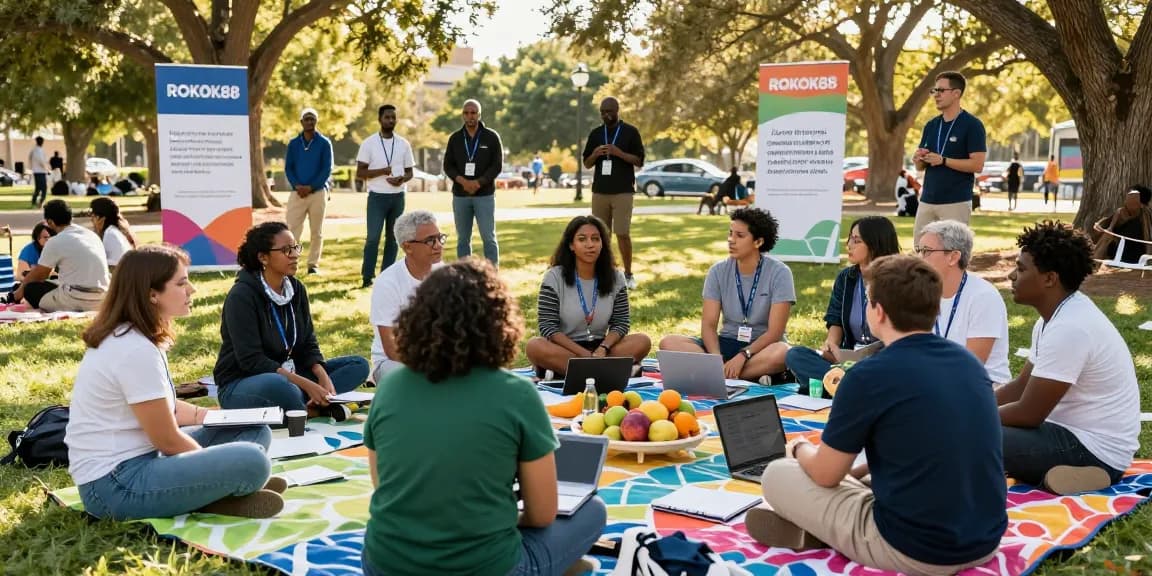
Grassroots movements have proven to be pivotal in advocating for Human Rights change. Local initiatives often mobilize communities, focusing on specific issues that resonate at a personal level, such as racial discrimination, gender equality, or environmental justice. These movements build momentum by fostering unity and collective action, often leading to significant policy shifts and greater awareness of Human Rights violations.
The Role of Media in Advocacy
Media plays an instrumental role in raising awareness about Human Rights issues. Investigative journalism uncovers abuses, while advocacy campaigns utilize various media platforms to disseminate information widely. By effectively communicating the plight of individuals and communities, media outlets can inspire action and mobilize support, making them essential allies in the ongoing quest for Human Rights protection.
How to Get Involved
Individuals can make a difference in the Human Rights landscape by taking concrete steps to get involved. This includes educating themselves and others about Human Rights issues, volunteering for local organizations, and engaging in community events. Participation in peaceful protests and advocacy campaigns can also amplify voices demanding justice. Ultimately, every action contributes to a larger movement towards the realization of Human Rights for all.
The Future of Human Rights
Vision for Global Human Rights
The future of Human Rights hinges on a collective vision where all individuals enjoy equal rights and protections. This vision requires a commitment to eradicating discrimination in all forms and ensuring that Human Rights are accessible to marginalized groups. As global interconnectedness grows, fostering collaboration among nations can enhance the implementation of Human Rights treaties and norms.
Education and Awareness Initiatives
Education is a cornerstone of promoting Human Rights awareness. Implementing educational programs in schools, workplaces, and communities emphasizes the importance of rights and responsibilities. Initiatives that focus on historical context, current challenges, and active engagement can empower individuals to become advocates for change. By transforming understanding into action, education can catalyze a more just society.
Opportunities for Collaboration
Collaborative efforts among governments, NGOs, and civil society are crucial for advancing Human Rights. Partnerships can leverage diverse resources and perspectives, driving more impactful advocacy campaigns. Furthermore, international cooperation, like participating in global treaties and gatherings, fosters a united front against Human Rights violations, making it essential for stakeholders to engage across sectors and borders.
Frequently Asked Questions (FAQs)
What are Human Rights?
Human Rights are fundamental rights and freedoms entitled to all individuals, ensuring dignity, freedom, and equality.
How did Human Rights evolve?
Human Rights evolved throughout history, marked by significant legal frameworks, treaties, and global advocacy efforts.
What are current Human Rights challenges?
Current challenges include systemic violations, lack of access to justice, and emerging issues like digital privacy threats.
How can individuals advocate for Human Rights?
Individuals can advocate by raising awareness, volunteering, supporting organizations, and participating in peaceful protests.
What is the role of education in Human Rights?
Education fosters understanding of rights and responsibilities, promoting advocacy and proactive engagement among communities.