
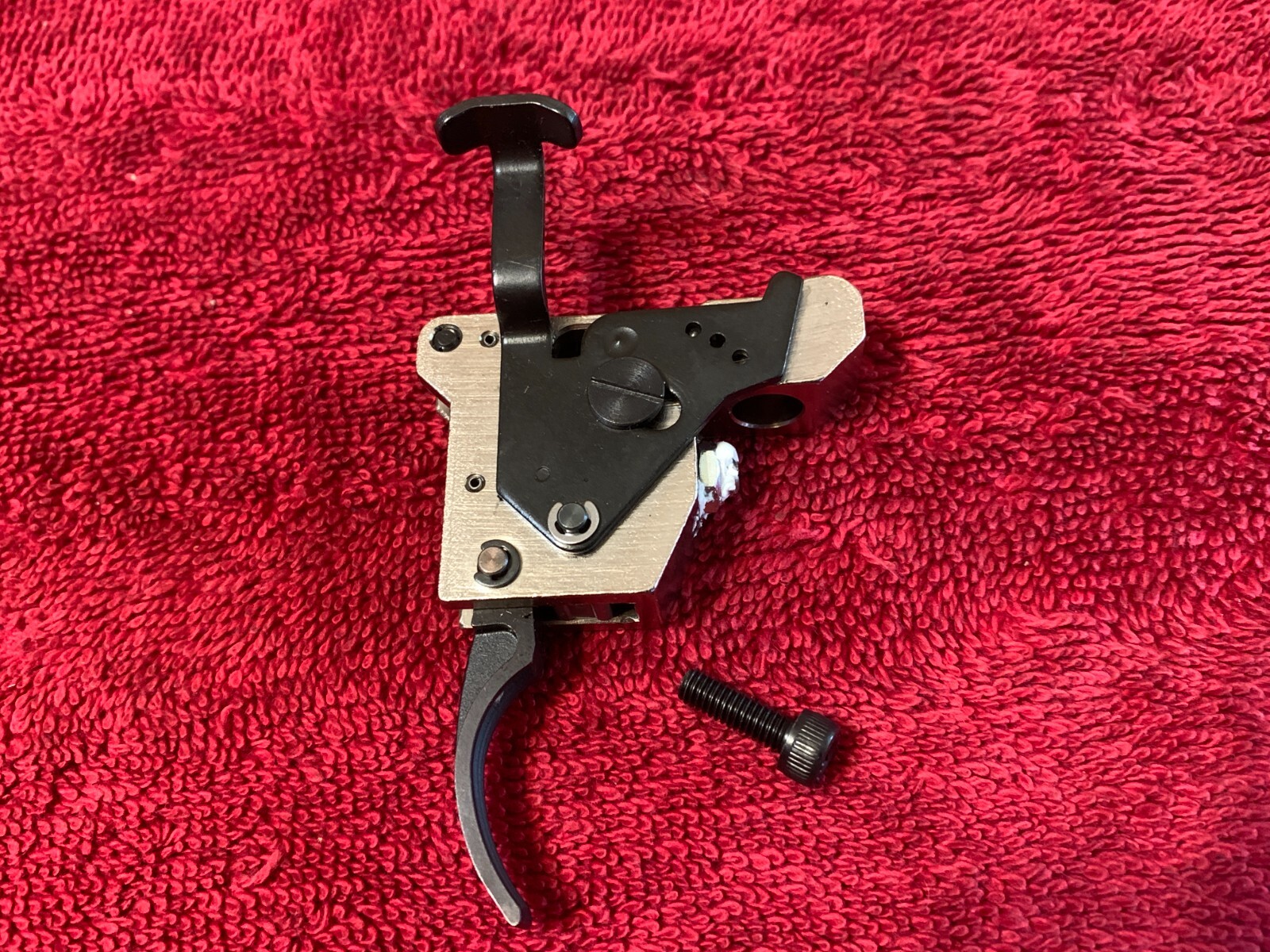
When it comes to customizing your AR platform, choosing the right Ar triggers can make a significant difference in accuracy, control, and overall shooting experience. Whether you are a competitive shooter, a hunter, or just enjoy target practice, understanding the differences between single-stage and two-stage AR triggers is essential. This guide will help you determine which AR triggers are best suited for your shooting style.
Understanding AR Triggers
AR triggers are the mechanism that initiates the firing sequence in your AR-15 or similar rifles. They are crucial components that influence how your rifle feels and performs. While standard mil-spec triggers are functional, aftermarket AR triggers offer enhanced performance, smoother pulls, and reduced creep. Choosing the right type of AR triggers can improve your shooting precision and make each shot more controlled.
What Are Single-Stage AR Triggers?
Single-stage AR triggers are designed to deliver a consistent, uninterrupted pull from the start of the trigger to the release of the hammer. There is no noticeable slack or take-up in single-stage AR triggers, which allows for a predictable and crisp firing experience. These triggers are often preferred by shooters who want simplicity, fast follow-up shots, and a clean trigger feel.
Advantages of Single-Stage AR Triggers
- Consistency: Single-stage AR triggers provide a uniform pull every time, allowing shooters to develop muscle memory quickly.
- Crisp Break: The trigger break is immediate, which can improve accuracy for fast-paced shooting.
- Ease of Maintenance: These AR triggers typically have fewer moving parts, making them easier to clean and maintain.
- Affordability: Single-stage AR triggers are often more budget-friendly compared to two-stage alternatives.
Ideal Users for Single-Stage AR Triggers
Single-stage AR triggers are ideal for shooters who participate in competitive shooting, tactical drills, or anyone who prefers a straightforward, no-frills shooting experience. These AR triggers excel in scenarios where rapid follow-up shots are crucial.
What Are Two-Stage AR Triggers?
Two-stage AR triggers feature a distinct take-up phase followed by a crisp break. The first stage allows the shooter to apply initial pressure without firing the weapon, while the second stage provides a more precise release point for the hammer. These AR triggers are particularly favored for precision shooting and situations requiring meticulous control.
Advantages of Two-Stage AR Triggers
- Precision: The two-stage design allows shooters to anticipate the exact moment of the shot, enhancing accuracy.
- Control: These AR triggers give more feedback, making it easier to manage recoil and follow-up shots.
- Versatility: Two-stage AR triggers are suitable for both tactical and long-range precision shooting.
- Customization: Many two-stage AR triggers offer adjustable pull weights and reset distances.
Ideal Users for Two-Stage AR Triggers
Two-stage AR triggers are perfect for precision shooters, marksmen, and those who prioritize accuracy over speed. They are also excellent for hunting and long-range applications where a controlled, deliberate shot is essential.
Comparing Single-Stage and Two-Stage AR Triggers
Understanding the differences between single-stage and two-stage AR triggers can help you make an informed choice. Here’s a breakdown:
FeatureSingle-Stage AR TriggersTwo-Stage AR TriggersTrigger PullConsistent from start to finishTwo distinct stages: take-up and breakIdeal ForFast-paced shooting, tactical drillsPrecision shooting, controlled shotsComplexitySimple, fewer partsMore complex, adjustable optionsMaintenanceEasier to cleanRequires careful maintenanceCostGenerally lowerTypically higher
Factors to Consider When Choosing AR Triggers
When selecting the best AR triggers, consider your shooting style, budget, and preferences:
- Shooting Style: Fast shooters may prefer single-stage AR triggers, while precision shooters often choose two-stage options.
- Experience Level: Beginners may find single-stage AR triggers easier to use, while experienced shooters may benefit from the control of two-stage AR triggers.
- Customization: Adjustable two-stage AR triggers offer flexibility in pull weight and reset length.
- Budget: Single-stage AR triggers usually cost less, making them a good starting point for upgrades.
Installing and Maintaining AR Triggers
Proper installation of AR triggers ensures safety and performance. Always follow the manufacturer’s instructions or consult a qualified gunsmith. Regular maintenance, such as cleaning and lubrication, will extend the life of your AR triggers and maintain optimal performance. Neglecting maintenance can lead to inconsistent trigger pulls and reduced accuracy.
Conclusion
Choosing between single-stage and two-stage AR triggers ultimately depends on your shooting style, preferences, and goals. Single-stage AR triggers offer simplicity, consistency, and fast performance, making them suitable for tactical and competitive shooting. Two-stage AR triggers provide precision, control, and versatility, ideal for long-range and deliberate shooting scenarios. Understanding the benefits and limitations of each type will allow you to make an informed decision and enhance your overall shooting experience. Whether you are upgrading your AR platform or building a custom rifle, selecting the right AR triggers is key to maximizing accuracy, performance, and enjoyment on the range.