Understanding Picture Hanging Basics
When adorning your walls, picture hanging isn’t just about putting art up; it’s about transforming a space and showcasing your personality. Properly executed, the art of picture hanging can enhance the ambiance of a room, making it feel curated and inviting. Below, we'll explore the essential elements of picture hanging, ensuring that your art looks its best and fits perfectly into your home’s aesthetic.
Essential Tools for Picture Hanging
To begin, you need the right tools to set up your picture hanging effectively. Here’s a comprehensive list of essential items:
- Tape Measure: For accurate spacing and placement of your artwork.
- Hammer: Necessary for driving in nails or hooks.
- Level: Ensures your artwork hangs straight, maintaining a professional look.
- Hanging Hardware: Options include picture hooks, nails, or wall anchors depending on the weight of your art.
- Stud Finder: Useful for locating wall studs to ensure secure hanging.
- Pencil: For marking placement before making any holes.
Types of Picture Hanging Methods
There are various methods for hanging pictures, and the right one often depends on the size and weight of the art piece. Here are some popular methods:
- Nails and Hooks: Ideal for lightweight frames and easy to remove if you want to change things up.
- Adhesive Strips: Perfect for renters, these can be easily removed without leaving marks.
- Wire and D Rings: Secure for heavier pieces, distributing weight evenly.
- Gallery Rails: Allow for art repositioning without creating new holes, perfect for a dynamic display.
Measuring and Planning Your Space
Before diving into hanging your art, measuring and planning your space is crucial. Consider these steps:
- Height: Hang pieces at eye level, about 57 to 60 inches from the floor to the center of the artwork.
- Spacing: Maintain 2-5 inches between frames when arranging multiple pieces to create a cohesive look.
- Wall Size: Larger walls can handle bigger or grouped displays, while smaller walls benefit from single pieces or smaller clusters.
Choosing the Right Wall Art
Selecting the perfect artwork is as important as the hanging technique. Thoughtful choices in style and color can dramatically impact your space. Here’s how to choose wisely:
Selecting Appropriate Frame Styles
Frames play a significant role in the overall presentation. When selecting frame styles, consider:
- Material: Wood frames add warmth, while metal gives a modern feel.
- Color: Match frames to your decor or choose contrasting colors for a bold statement.
- Width: Wider frames can highlight an artwork’s importance, while slim profiles may suit more casual compositions.
Color Coordination for Picture Hanging
Color coordination can tie the room together. Here’s how to ensure harmony:
- Choose a Color Palette: Select colors that complement your interior design scheme.
- Contrast and Blend: Use contrasting colors for a striking display or similar shades for a more understated look.
- Consider Art Themes: Match your art's theme (nature, abstract) with your color choices to create a cohesive narrative.
Incorporating Personal Touches
Remember, your art should reflect your personality and tastes. Here are ways to personalize your display:
- Mix Media: Combine framed photos, prints, and canvases for an eclectic look.
- Add Souvenirs: Include items like travel souvenirs or family heirlooms to give context and tell a story.
- Customize Layouts: Go for unconventional layouts to showcase personal creativity.
Techniques for Effective Picture Hanging
With tools, measurements, and art selection in hand, it’s time to hang. Employ these techniques for best results:
Step-by-Step Guide to Picture Hanging
Follow this straightforward guide for hanging pictures:
- Choose Location: Mark where you want the top of the frame to sit.
- Measure: Use your tape measure to find the right height and mark with a pencil.
- Install Hardware: Depending on your method, attach hooks or nails securely to the wall.
- Hang Art: Make sure the piece is centered, then check with a level and adjust as necessary.
- Step Back: Assess from a distance to see if adjustments are needed for balance.
Creating Balanced Displays
Creating balance in your picture hanging can enhance visual appeal. Here’s how to achieve it:
- Sizes and Shapes: Mix different sizes and shapes of artwork for an intriguing display.
- Symmetry versus Asymmetry: Decide if you want a symmetrical arrangement for a clean look or asymmetrical for a more dynamic approach.
- Grouping Techniques: Use themes or colors to group pieces together effectively.
Using Proper Hanging Hardware
Choosing the right hardware is essential for securing your artwork. Consider these details:
- Weight Capacity: Be sure to choose hardware that can support the weight of your frames.
- Types of Hooks: Use picture hooks for lighter frames and wall anchors for heavier ones.
- Consider Wall Materials: Adjust hardware choice based on whether your walls are drywall, plaster, or concrete.
Maintenance and Care for Your Gallery
Once your art is beautifully displayed, ongoing maintenance is key to keeping it looking its best. Here are top tips:
Dusting and Cleaning Tips
Regular cleaning keeps your artwork vibrant, not grimy:
- Use a Microfiber Cloth: Regularly dust frames to prevent the buildup of dirt.
- Glass Care: Use glass cleaner on framed artwork behind glass, avoiding direct contact with the art itself.
- Avoid Excessive Moisture: Condition your space to prevent humidity damage to frames and paper.
Inspecting Wall Hangings Regularly
Keeping an eye on your artworks helps prevent accidents:
- Secure Fastenings: Periodically check that screws and nails are intact and properly anchored.
- Color Fading: Assess for color fading due to sunlight and consider repositioning if unavoidable.
- Alignment: Make sure all pieces remain level, adjusting as necessary.
Considerations for Seasonal Changes
Seasonal changes can affect your decor. Here's how to adapt:
- Indoor Climate: Use humidifiers or dehumidifiers to maintain stable conditions for artworks.
- Thematic Updates: Update art displays to reflect seasonal themes, changing colors, and moods.
- Lighting Adjustments: Change indoor lighting to warm tones in winter and cooler tones in summer for visual comfort.
Common Problems and Solutions
Even the best-laid plans can hit snags while picture hanging. Here’s how to tackle common issues:
Fixing Leaning or Crooked Frames
If your frame is leaning or crooked, consider these steps:
- Check Hardware: Ensure all hanging hardware is secure and appropriate for the frame weight.
- Leveling Tools: Use a level after hanging to ensure proper alignment—correct as necessary.
- Wall Condition: Inspect the wall surface; a bump or dent could affect the frame’s stability.
Addressing Wall Damage
Wall damage may occur, especially with frequent changes. To manage this:
- Patch Holes: Fill small holes with spackle, and touch up around the paint as needed.
- Reinforce Weak Areas: Consider adding a wall anchor for heavy pieces if drywall becomes damaged.
- Redesigning Layouts: Think creatively about how to redesign arrangements to cover or minimize imperfections.
Adjusting Your Gallery Over Time
Your gallery is dynamic and can evolve with personal tastes. Here’s how to adjust:
- Rotation of Artworks: Regularly rotate your pieces to keep your space feeling fresh and new.
- Seasonal Adjustments: Placing seasonal works or changing frames can provide a beautiful refresh.
- Grouping New Pieces: Add new acquisitions to existing displays and reinterpret your layout.
FAQs
What tools do I need for picture hanging?
You will typically require a tape measure, hammer, level, hanging hardware, and possibly a stud finder to ensure secure placement.
How do I decide where to hang my pictures?
Consider the room’s purpose, the height at which you want artwork displayed, and the size of the wall to create an inviting arrangement.
Can I hang pictures on drywall without damaging it?
Yes, using adhesive hooks or wall anchors can minimize damage while securely supporting framed art.
What is the recommended height for picture hanging?
Artwork is ideally hung at eye level, which is about 57 to 60 inches from the floor to the center of the piece.
How can I arrange multiple pieces of art?
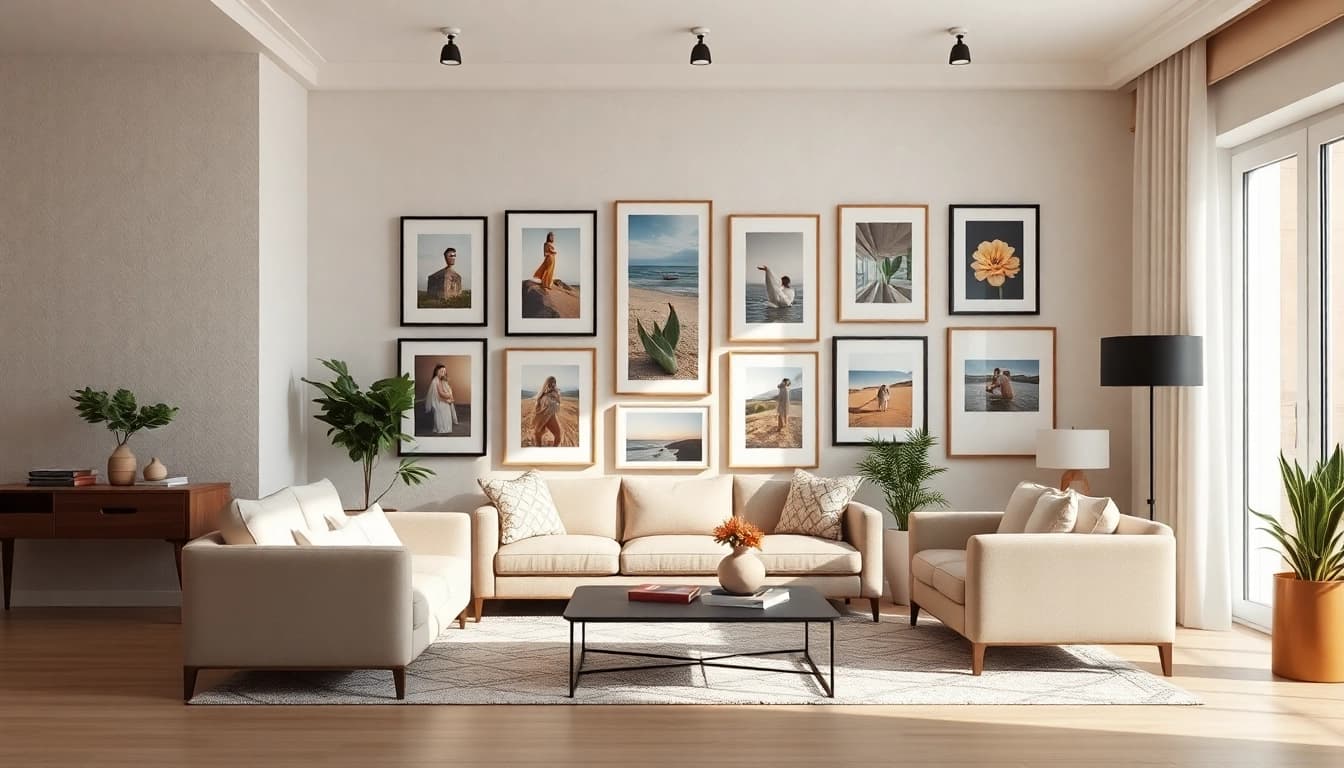
Use a grid or salon style arrangement, ensuring some space between pieces for a balanced look that captures attention.