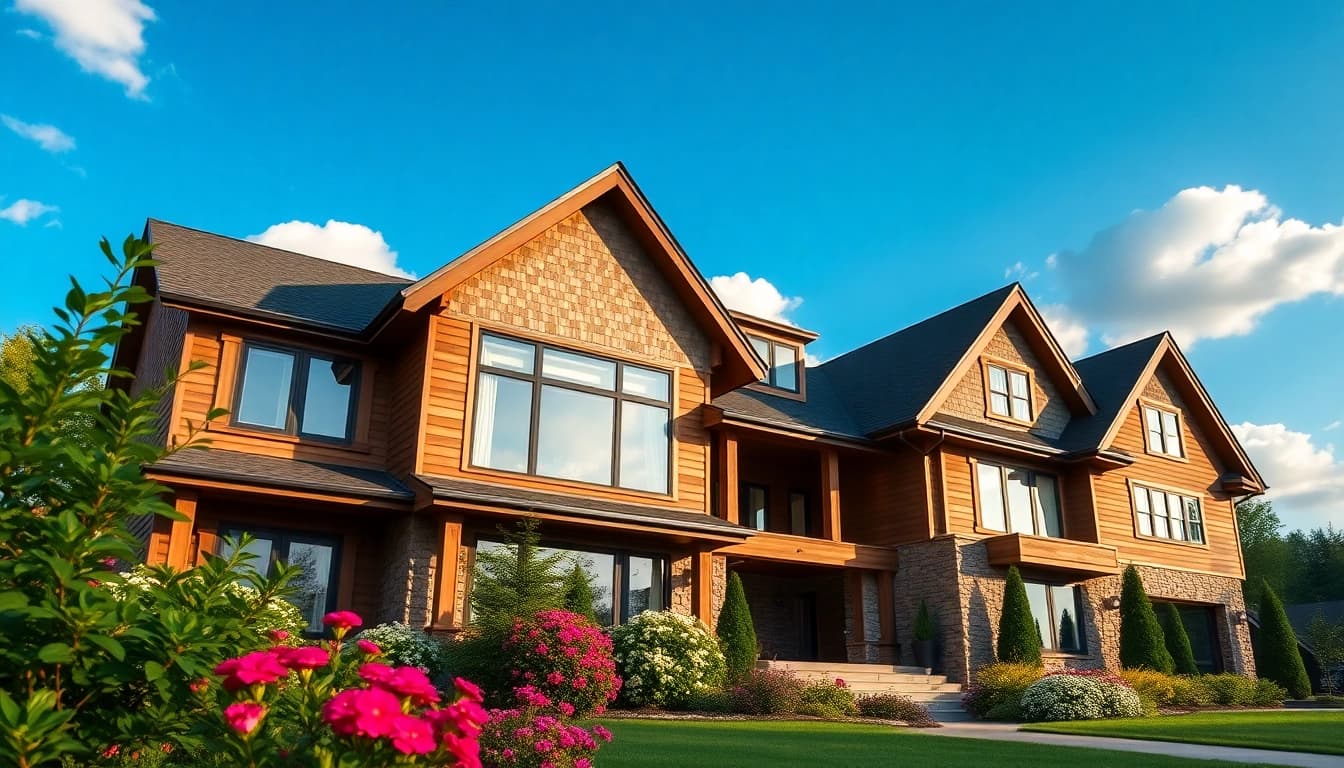
Understanding the Role of a New England Residential Architect
In the world of architecture, the role of an architect is often misunderstood. A New England residential architect is far more than just a designer; they are a crucial player in the intersection of functionality, aesthetics, and sustainability in home construction. In this article, we will delve into their responsibilities, the significance of their work in home design, and the unique architectural styles that define the New England region.
Defining Core Responsibilities
A New England residential architect is tasked with a myriad of responsibilities, including but not limited to:
- Consultation: They engage with clients to understand their vision, preferences, and needs.
- Design Creation: Crafting aesthetically pleasing and functional designs tailored to the site and client’s lifestyle.
- Project Management: Coordinating with contractors, engineers, and other professionals throughout the building process.
- Technical Documentation: Preparing detailed blueprints and specifications necessary for construction.
- Compliance: Ensuring designs meet local building codes and regulations.
Importance in Home Design
Architects play a pivotal role in transforming a client's vision into a tangible structure. They not only bring creativity, but they also ensure that design solutions are feasible and practical. Good architects can anticipate future needs, integrate emerging trends, and ensure that the final structure is sustainable and resilient against the region's climate.
New England Architectural Styles
New England is rich in architectural history, featuring diverse styles influenced by cultural and historical factors. Common residential styles include:
- Colonial: Characterized by symmetry, balanced proportions, and classic detailing, these homes often feature steep roofs and large chimneys.
- Cape Cod: Simple, one or one-and-a-half stories, this style features dormer windows and a centrally located front door.
- Shingle Style: Prominent in the late 19th century, it showcases wooden shingles on both walls and roofs, often with complex shapes and variations in the roofing line.
- Craftsman: Focused on hand-crafted details, natural materials, and a strong connection with nature.
Key Elements of Successful Residential Architecture
Practical Design Considerations
Designing a home requires a thoughtful approach to various practical considerations such as:
- Site Analysis: Understanding the topography, climate, and environmental impact informs design choices.
- Budgeting: Architects work closely with clients to outline a budget and make informed decisions regarding materials and construction methods.
- Building Orientation: The orientation impacts natural light and energy efficiency, enhancing the comfort and sustainability of the home.
Aesthetic and Functional Balance
Successful architecture blends beauty with functionality. An ideal design not only serves the homeowner’s aesthetic desires but also meets their practical needs. Architects must prioritize user experience alongside aesthetic choices, considering factors such as:
- Flow of spaces, ensuring ease of movement and accessibility.
- Natural light, which enhances mood and reduces reliance on artificial lighting.
- Acoustics, optimizing sound quality within living spaces.
How to Use Space Effectively
Efficient space utilization can define the usability of the home. Strategies include:
- Open Floor Plans: Integrating living areas encourages interaction and maximizes available space.
- Custom Storage Solutions: Designing built-ins or multi-functional furniture can optimize limited spaces.
- Vertical Spaces: Utilizing vertical room height adds layers to design while creating a sense of openness.
Sustainable Practices for New England Residential Architects
Eco-Friendly Materials and Techniques
Sustainable architecture is becoming increasingly important in residential design. Architects can incorporate eco-friendly materials such as:
- Recycled Materials: Utilizing materials made from recycled content minimizes resource waste.
- Locally Sourced Materials: Reduces transportation emissions and supports local economies.
- Sustainable Lumber: Choose wood products certified by sustainable forestry organizations.
Energy Efficiency in Home Design
Energy-efficient homes reduce overall consumption and operating costs. Key strategies include:
- High-Performance Insulation: Reduces heating and cooling needs by maintaining optimal indoor temperatures.
- Energy-Efficient Windows: Double or triple-glazed windows significantly enhance thermal performance.
- Renewable Energy Integration: Incorporating solar panels or geothermal systems contributes to sustainable energy use.
Benefits of Green Architecture
Adopting sustainable practices provides numerous benefits:
- Lower Energy Bills: Minimal energy use translates to cost savings over time.
- Healthier Living Environments: Improved air quality and natural light enhance residents’ health and well-being.
- Increased Property Value: Eco-friendly homes often attract buyers who prioritize sustainability and efficiency.
Collaborating with Homeowners: Best Practices
Communicating Design Ideas Effectively
A successful relationship between a homeowner and architect hinges on clear communication. Effective strategies include:
- Visual Aids: Using sketches, renderings, and digital models helps to convey design concepts clearly.
- Regular Meetings: Scheduled updates ensure that both parties stay aligned throughout the project.
- Open-Ended Questions: Encouraging feedback through questions aids in understanding homeowner preferences and concerns.
Managing Client Expectations
It’s essential for architects to set realistic expectations surrounding timelines, budgets, and possible challenges. This can include:
- Transparency: Clearly outlining potential hurdles and their impact on project progression can reduce misunderstandings.
- Documentation: Providing written agreements details all aspects of the job and ensures both parties are on the same page.
- Involvement: Involving clients in key decisions fosters trust and understanding.
Incorporating Feedback into Design
Feedback is vital in the architectural design process. Successful strategies for integrating it include:
- Prototyping: Creating small-scale models can help illustrate design concepts for review.
- Design Iteration: Allowing for multiple revisions of plans encourages collaborative refinement of ideas.
- Client Workshops: Facilitating sessions with stakeholders provides opportunities to discuss ideas and build consensus.
Navigating Building Regulations in New England
Understanding Local Codes and Standards
Every region has specific building codes that ensure safety and compliance. A New England residential architect must:
- Stay updated on local zoning laws and regulations affecting residential designs.
- Understand historic preservation guidelines that may apply to certain neighborhoods or buildings.
- Be familiar with environmental regulations impacting sustainable construction.
Permitting Process Explained
The permitting process can be complex, but understanding it is crucial for the success of a project. Key steps in the process include:
- Application Submission: Architects typically prepare and submit permit applications and required documents to local authorities.
- Review Period: The permit application undergoes a review period where local officials assess compliance with codes.
- Approval and Revisions: Getting approval may require revisions based on feedback, and architects must be prepared to respond quickly.
Tips for Compliance in Design
Ensuring compliance with regulations can feel daunting. Tips include:
- Consulting Local Authorities: Engaging with local building departments early can mitigate potential issues before they arise.
- Documentation: Maintain thorough records of all communications, permits, and approvals for easy reference.
- Professional Guidance: Relying on experienced contractors and consultants can facilitate smoother compliance processes.
FAQs
What is the average cost of hiring a New England residential architect?
Costs can vary, but hiring a New England residential architect typically ranges between $100 to $250 per hour depending on experience and project complexity.
How long does the architectural design process take?
The design process can take anywhere from a few weeks to several months, depending on project scope, complexity, and client feedback cycles.
What styles are popular for residential homes in New England?
Popular styles include Colonial, Cape Cod, and contemporary designs, often reflecting local historical influences and natural elements.
Can an architect help with home renovations?
Yes, a New England residential architect can provide valuable insights and design strategies for effective home renovations, ensuring aesthetic coherence and functionality.
How to choose the right New England residential architect?
Look for experience, a strong portfolio that aligns with your vision, and good communication skills to ensure a successful partnership on your project.