When Sarah in Raleigh noticed brown rings spreading across her front yard after a week of 90°F heat, she started hand-watering with a garden hose for 10 minutes each evening — but the grass only got more patchy. Across town, Marco's newly seeded back lawn stayed thin because he watered shallowly twice a day and the seedlings never developed deep roots. These are everyday homeowner scenarios where the right adjustments — not more water — make the difference.
1. Mistake: Watering Too Often for Too Short a Time
Problem: Many homeowners think frequent short waterings (5–10 minutes) keep turf happy. Instead, this creates shallow roots and higher evaporation losses. Lawns that sit near sidewalks or driveways are especially prone to this because heat bounces back and dries the surface faster.
Solution: Aim for Deep, Infrequent Soaks
Fix: Water so that moisture reaches the top 6–8 inches of soil. For a typical clay-loam lawn that means 20–30 minutes per zone with an efficient sprinkler system, 2–3 times per week in summer depending on local conditions. For sandy soils you may need slightly more frequent cycles because water drains faster.
Practical example: If your spray sprinkler delivers about 0.5 inches per hour, schedule two 30-minute sessions spaced a few hours apart to reach ~0.5 inches total and allow deeper percolation. You can test by inserting a screwdriver near the edge of the watered area — it should slide in easily 6–8 inches after watering.
Why it works: According to university extension advice, deep watering encourages roots to grow downward 2–3 times deeper than shallow watering, improving drought tolerance. And smart controllers can automate these longer runs so you don't forget or water inefficiently.
2. Mistake: Ignoring Soil Type and Compaction
Problem: Two yards in the same subdivision often need very different routines. A sandy soil that drains quickly won’t retain water like a compacted clay lawn. Yet many homeowners use one-size-fits-all run times and wonder why parts of the yard resist recovery.
Solution: Match Watering to Soil and Fix Compaction
Fix: First, perform a soil test or simple thumb/screwdriver test to gauge texture and compaction. Loosen compacted zones by core aeration — a single pass can increase water infiltration by 30–50% in heavy soils. Then set run times by soil: sandy soils — shorter, slightly more frequent deep cycles; clay soils — longer, less frequent cycles.
Example: A homeowner with compacted clay behind a garage should aerate in spring or fall and then schedule 30–35 minute deep waterings twice weekly. Aeration plus deep watering helped one midwestern homeowner restore a 1,000 sq ft lawn to full coverage in three months.
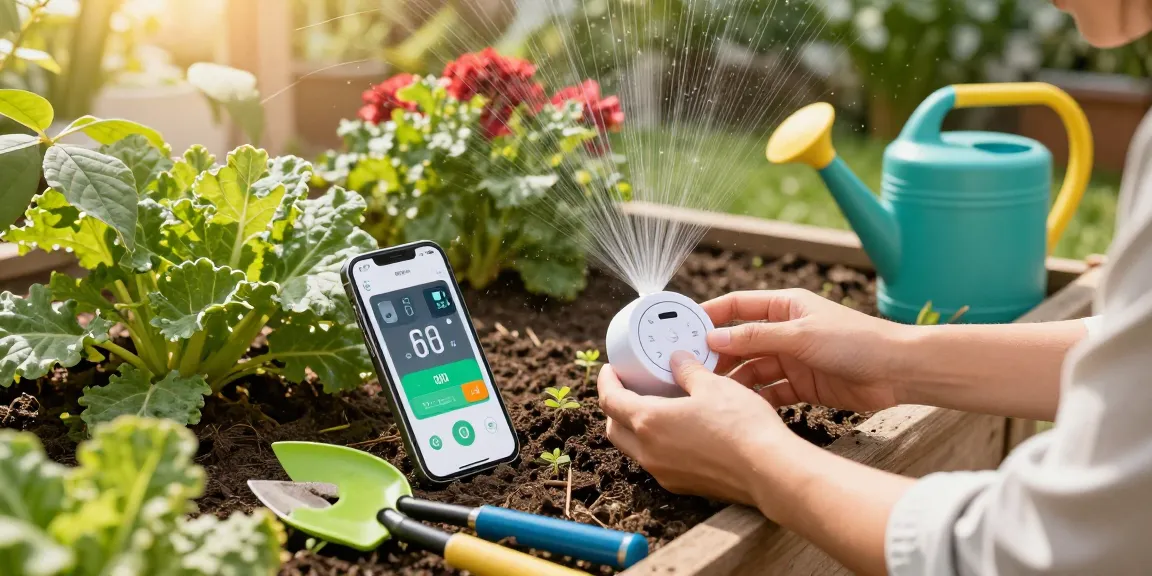
Tool tip: A WiFi timer such as the RainPoint model lets you create multiple zone schedules tailored to soil and sun exposure so your clay back lawn and sandy front slope get the care they need.
3. Mistake: Watering at the Wrong Time of Day
Problem: Watering in the midday heat raises evaporation losses; watering too late at night can leave turf damp and promote disease. Both situations slow recovery and waste water.
Solution: Water Early Morning When Roots Can Soak Up Moisture
Fix: Aim to water between 4 a.m. and 9 a.m. This window minimizes evaporation while allowing leaf surfaces to dry as the day warms. For new seed or sod, adjust to gentler, more frequent misting early morning and late afternoon for the first 2–3 weeks until roots establish.
Concrete figure: The EPA's guidance on efficient irrigation highlights that shifting watering to cooler morning hours reduces evaporation and runoff, helping save thousands of gallons annually. One study cited by extension programs estimates home smart controllers can save up to 15% in water use compared to fixed schedules (EPA WaterSense).
Scenario: If you're juggling work and can't be up at dawn, set a programmable WiFi timer to run at 5 a.m. automatically. A timer from RainPoint can handle that schedule and adjust for local weather when paired with smart features.
4. Mistake: Overwatering or Uneven Coverage
Problem: Overzealous owners who think more water speeds recovery often overwater low spots and drown crown tissue. Uneven sprinklers leave dry patches that never develop deep roots.
Solution: Check Distribution Uniformity and Use Cycle-Soak
Fix: Perform a catch-can test: place several containers across a zone, run your sprinklers for 15 minutes, then measure. If differences exceed 25%, adjust heads, replace worn nozzles, or convert to rotary nozzles for large areas. Use cycle-soak: split a long run into two or three shorter runs spaced 30–60 minutes apart to reduce runoff on slopes and hardpan soils.
IssueFixExpected ResultRunoff on slopeCycle-soak (3 runs)More infiltration, less wastePuddles near low spotsImprove grading/aerate, add French drainEven absorptionUneven spray coverageReplace nozzles/adjust headsUniform growth
Helpful link: If you want detailed guidance on timing cycles that help you revive a dry lawn with consistent, deep watering, check a dedicated cycle-soak plan that matches run times to soil and slope.
5. Mistake: Treating the Entire Yard the Same — Not Fixing the Root Cause
Problem: Different areas — shady north beds, sunny south slopes, vegetable garden edges — have unique needs. A single schedule or system can't address them all, so stressed zones remain brown while others look lush.
Solution: Match the Right Setup to Each Situation
Fix: Identify microclimates and pick the right approach. For small lawns and temporary recovery use mobile DIY sprinklers that let you target problem spots. For large in-ground lawns, a smart multi-zone system provides the long runs needed for deep soaking. Vegetable gardens do best with drip kits that apply water slowly at the root zone, while flower beds benefit from soaker hoses or low-flow drip to prevent fungal disease. Potted plants often need self-watering spikes or reservoir systems for steady moisture.
Example: A homeowner with a 5,000 sq ft lawn and an adjacent vegetable patch recovered the turf in one season by installing an in-ground smart controller for the lawn and a dedicated drip kit for the garden beds. The smart controller handled longer soak cycles for the lawn automatically while the drip kit delivered precise root-zone moisture to tomatoes and peppers.
Brand as expert: Think of RainPoint as the scenario irrigation expert that helps you choose the right mix — not just timers. For instance, a WiFi sprinkler timer from RainPoint pairs well with in-ground rotors on large lawns and coordinates watering with a drip kit for nearby plantings.
- Small lawn: mobile sprinklers + timed cycles
- Large lawn: smart in-ground rotors + multi-zone timer
- Vegetable garden: drip irrigation kit with emitters
- Flower beds: soaker hoses or low-flow drip
- Potted plants: self-watering reservoirs or wicks
Concrete figure: Extension services often recommend 1 to 1.25 inches of water per week for established turf during peak season — delivered via 1–2 deep sessions. That guideline plus correct system choice and timing usually restores vigor within 6–12 weeks.