
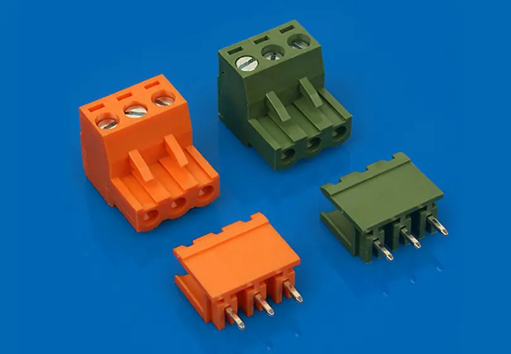
Wire harnesses are an essential part of modern electrical systems, providing an organized and secure way to route power and signals between components. They are widely used in industries such as automotive, industrial automation, telecommunications, medical equipment, aerospace, and renewable energy. A well-designed wire wire crimp connectors harness improves system reliability, simplifies installation, and enhances electrical safety. However, designing an effective wire harness requires careful planning and attention to several technical challenges.
By understanding common design issues and implementing practical solutions, manufacturers can improve product quality while reducing maintenance and production costs.
Common Challenges in Wire Harness Design
Designing a reliable wire harness involves balancing electrical performance, mechanical durability, and ease of installation. Several factors can affect the long-term performance of a harness if they are not addressed during the design process.
One common challenge is limited installation space. Modern equipment is becoming more compact, making it difficult to route multiple wires without creating unnecessary stress or interference. Designers must carefully plan cable routing to maximize available space while maintaining accessibility.
Another challenge is environmental exposure. Wire harnesses used in outdoor or industrial environments may encounter moisture, dust, vibration, chemicals, and extreme temperatures. Without proper protection, these conditions can reduce the lifespan of electrical connections.
Electrical interference is also an important consideration. Closely routed power and signal cables can generate electromagnetic interference (EMI), affecting communication and system performance. Proper wire separation and shielding help minimize these issues.
Best Practices for Reliable Wire Harness Design
Following proven design practices helps improve the performance and durability of wire harness assemblies.
Optimized Cable Routing
Proper routing reduces cable stress, prevents sharp bends, and improves installation efficiency.
Environmental Protection
Protective coverings and sealed connection components help safeguard wiring from moisture, dust, vibration, and harsh operating conditions.
Easy Maintenance
Organized wire layouts simplify inspections, troubleshooting, and future system upgrades.
Common applications include:
• Automotive wiring systems
• Industrial automation equipment
• Renewable energy installations
• Telecommunications infrastructure
• Medical devices
• Aerospace electrical systems
These industries depend on reliable wire harnesses to maintain safe and efficient electrical performance.
Selecting High-Quality Connection Components
The performance of a wire harness depends heavily on the quality of its electrical connection components. Choosing durable products improves both reliability and long-term system performance.
For secure cable terminations, wire crimp connectors provide strong mechanical and electrical connections that resist vibration and repeated use. In addition, waterproof wire connectors help protect electrical connections from moisture, dust, and corrosion, making them ideal for outdoor and harsh industrial environments where dependable performance is essential.
Conclusion
Wire harness design plays a vital role in the safety, reliability, and efficiency of modern electrical systems. By addressing challenges such as limited space, environmental exposure, and electrical interference, manufacturers can build harnesses that deliver consistent performance across a wide range of applications.
Whether utilizing wire crimp connectors for secure cable assemblies or waterproof wire connectors for enhanced environmental protection, selecting high-quality connection components is essential for long-lasting electrical systems. As electrical technologies continue to evolve, well-designed wire harnesses will remain a key element in supporting reliable and efficient engineering solutions.