Understanding the Basics of Shower Base
What is a Shower Base?
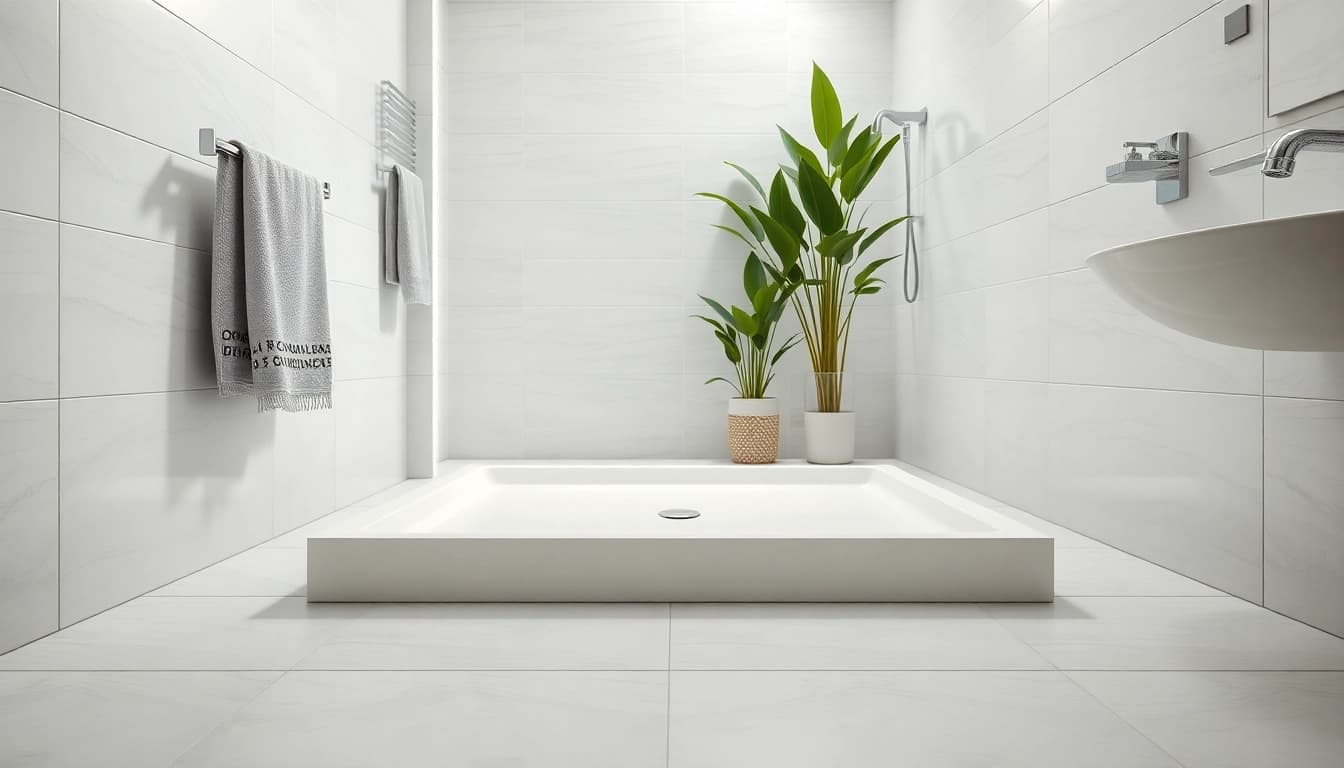
A shower base serves as the foundation of your shower, providing a waterproof platform that supports both the weight of the user and the accompanying fixtures. It is crucial in directing water to the drain, preventing leaks and water damage. Shower bases come in various styles and sizes, catering to both functional and aesthetic needs in modern bathrooms. Investing in a high-quality shower base ensures that your bathing area remains both practical and visually appealing.
Types of Shower Bases Available
Shower bases vary significantly, providing options that suit different bathroom designs, user needs, and installation requirements. Here are some of the most common types:
- Quadrant Shower Base: Ideal for corner installations, offering a curved front for maximizing space.
- Rectangular Shower Base: The most common type, providing ample room and flexibility for various shower doors.
- Square Shower Base: Works well in smaller spaces and allows for a variety of door options.
- Barrier-Free Shower Base: Designed for accessibility, allowing easier entry and exit, particularly beneficial for seniors or individuals with mobility challenges.
- Custom Shower Base: Tailored to fit specific dimensions and design preferences, often made from high-end materials.
Benefits of Installing a Shower Base
Choosing the right shower base brings numerous benefits:
- Waterproofing: Prevents leaks and water damage in the surrounding areas.
- Ease of Cleaning: With the right materials, shower bases can be easily maintained, requiring less effort to keep them looking fresh.
- Design Flexibility: Available in various styles and finishes, shower bases can enhance the overall aesthetic of your bathroom.
- Durability: A well-constructed shower base can withstand heavy use and last for many years with proper maintenance.
- Increased Property Value: A quality shower base can improve the appeal of your bathroom, potentially increasing your home's market value.
Shower Base Materials Explained
Popular Materials for Shower Bases
Understanding the different materials available for shower bases is vital in selecting the best option for your needs. Here are the most common materials:
- Acrylic: Lightweight and easy to install, acrylic bases are popular due to their affordability and wide range of designs.
- Fiberglass: Similar to acrylic but generally less durable, fiberglass is also budget-friendly but may require more maintenance over time.
- Ceramic Tile: Provides a high-end look; however, the installation process can be complicated and often requires professional help.
- Stone Resin: Known for its luxury appeal, stone resin is durable and comes in various finishes, but its weight can be a consideration during installation.
- Custom Pourable Concrete: Offers limitless design possibilities, although it necessitates professional installation and additional sealing to prevent damage.
Pros and Cons of Each Material
Evaluating the pros and cons of each material helps in making an informed decision:
MaterialProsConsAcrylicLightweight, easy to install, affordable, and variety of designsCan scratch easily and may fade over timeFiberglassCost-effective with a non-slip surfaceLess durable than acrylic; prone to fading and crackingCeramic TileCustomizable, long-lasting, easy to cleanInstallation can be labor-intensive and expensiveStone ResinLuxury look, durable, comfortable underfootHeavier, pricier, and requires sealingCustom Pourable ConcreteEndless design optionsRequires professional installation and sealing
Choosing the Right Material for Your Needs
Selecting the right material for your shower base involves a balance between aesthetics, functionality, and budget. Consider the following factors:
- Budget: Determine how much you're willing to invest and choose a material that meets your needs without breaking the bank.
- Design: Ensure the material complements your bathroom's overall aesthetic and matches existing fixtures.
- Durability: Assess how much use your shower will see to opt for a long-lasting material.
- Maintenance: Think about how much time you want to dedicate to cleaning and upkeep.
Installation Process for Shower Base
Tools Required for Installation
Installing a shower base requires some essential tools and materials to ensure a successful setup. Below is a list of items needed for the installation:
- Measuring tape
- Level
- Pencil for marking
- Drill with appropriate drill bits
- Plumber's putty or silicone caulk
- Waterproof membrane (if needed)
- Tile cutter (if using tile)
- Safety gear (gloves, goggles)
Step-by-Step Installation Guide
Here’s a general outline of the step-by-step process for installing a shower base:
- Measure the Space: Accurate measurements are crucial; ensure the shower base fits the designated space properly.
- Prepare the Subfloor: Clean the area and repair any water damage. Ensure the subfloor is level to avoid future issues.
- Install the Drain: Position the drain according to the manufacturer's instructions, ensuring proper alignment with plumbing.
- Place the Shower Base: Set the base into position, ensuring it's level. Adjust as necessary using shims to maintain evenness.
- Secure the Base: Follow the manufacturer’s guidelines to secure the shower base to the floor, using screws or adhesive as specified.
- Seal the Edges: Apply a bead of silicone caulk around the perimeter to prevent water from seeping underneath.
- Final Inspection: Check for level and make necessary adjustments before finishing with any surrounding tiles or panels.
Common Installation Mistakes to Avoid
While installing a shower base can be straightforward, several common mistakes can lead to leaks and structural issues:
- Not Leveling the Base: Failing to ensure the shower base is level can result in water pooling and drainage issues.
- Inadequate Drain Installation: Incorrectly aligning the drain can lead to significant water damage over time.
- Skipping Sealants: Neglecting to use sealants can increase vulnerability to leaks, potentially damaging the subfloor.
- Ignoring Manufacturer’s Instructions: Always adhere to the guidelines provided, as they contain crucial information regarding installation and maintenance.
Maintenance Tips for Long-lasting Shower Base
Cleaning Your Shower Base Effectively
To maintain the appearance and integrity of your shower base, routine cleaning is essential. Here’s how to clean effectively:
- Use mild cleaners: Avoid harsh chemicals that can damage the surface; opt for gentle, non-abrasive cleaners.
- Regular Scrubbing: Use a soft scrub brush or cloth to prevent soap scum and mildew build-up.
- Rinse Thoroughly: Ensure all cleaning agents are rinsed off completely to avoid buildup or deterioration.
- Dry After Use: Wipe down surfaces after each use to reduce water spots and mildew growth.
Avoiding Damage to Your Shower Base
Protecting your shower base from damage requires mindful practices:
- Avoid dropping heavy objects: Dropping heavy items can cause cracks or chips in the material.
- Do not use abrasive tools: Avoid scrubbers or cleaners that can scratch the surface and diminish its aesthetic appeal.
- Check for leaks regularly: Addressing leaks promptly can prevent extensive and costly repairs later on.
When to Consider Repairs or Replacement
Monitoring the condition of your shower base is vital. Consider repairs if:
- Visible cracks or chips appear, potentially leading to leaks.
- Persistent stains or discoloration doesn’t respond to cleaning.
- Loose fixtures or a wobbly base suggest structural issues.
- Mold and mildew persist despite proper cleaning and maintenance.
Frequently Asked Questions about Shower Base
How Do I Choose the Right Size Shower Base?
Measure the available space accurately, considering the layout and access doors. Check local building codes for minimum sizes and preferences.
Is a Shower Base Necessary for My Bathroom?
A shower base is essential to provide drainage and waterproofing. It enhances your shower's functionality and protects against water damage.
Can I Install a Shower Base Myself?
If you're handy with tools and follow instructions carefully, you can install a shower base yourself. Professional help ensures proper installation.
What is the Average Cost of a Shower Base?
Costs vary widely depending on material, size, and design. Budget options may start at a few hundred dollars, while luxury models can be significantly higher.
How Often Should I Clean My Shower Base?
Regular cleaning after each use prevents build-up. Deep cleaning once a week helps maintain appearance and hygiene.