
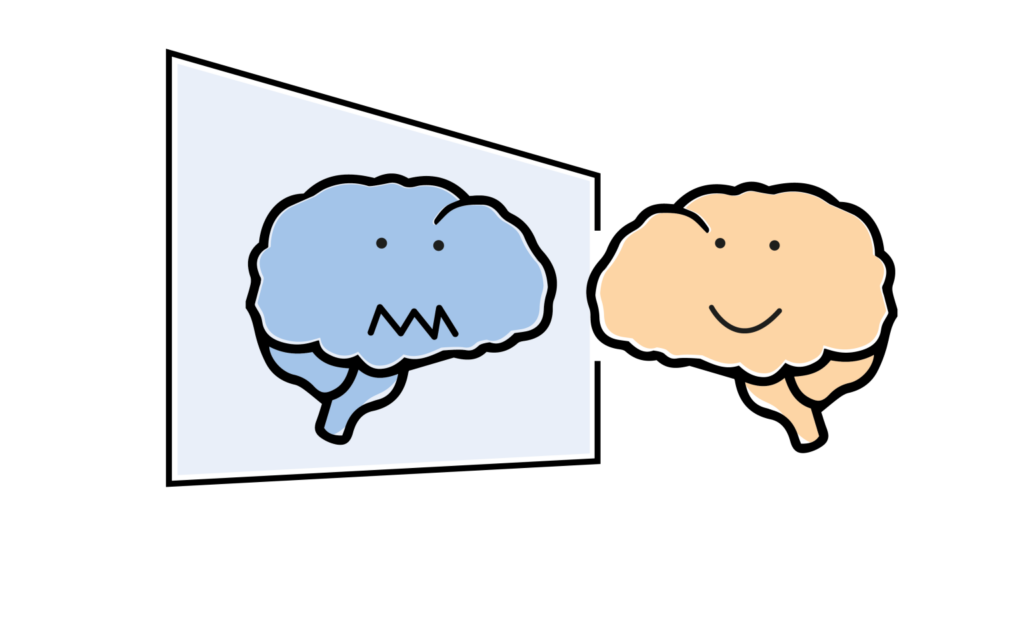
Emotional wellbeing is a vital aspect of our overall health, affecting how we think, feel, and respond to daily challenges. Developing tools to manage emotions can help us navigate stressful situations, improve relationships, and enhance our overall quality of life. Understanding Emotional wellbeing is not just about avoiding negative emotions but learning to respond to them in healthier ways.
Understanding Emotional Wellbeing
Emotional wellbeing refers to the ability to understand, manage, and express your emotions effectively. It involves recognizing your feelings, coping with stress, and responding to life’s challenges calmly. People with strong emotional wellbeing are generally more resilient, adaptable, and capable of maintaining positive relationships.
Emotional wellbeing affects multiple areas of life:
- Mental health: Better emotional control reduces the risk of anxiety, depression, and burnout.
- Physical health: Stress can impact sleep, heart health, and immunity, making emotional wellbeing crucial.
- Relationships: Managing emotions helps maintain healthy and supportive connections with others.
Common Emotional Challenges
Before learning how to improve emotional wellbeing, it is important to recognize the common challenges:
- Stress and anxiety: Daily pressures from work, school, or personal life can lead to heightened emotional responses.
- Mood swings: Rapid changes in mood can make it difficult to maintain stable relationships or perform consistently.
- Anger and frustration: These emotions, when uncontrolled, can damage personal and professional connections.
- Negative thinking patterns: Persistent negative thoughts can affect self-esteem and increase emotional distress.
Recognizing these challenges is the first step in building tools to manage emotions effectively.
Emotional Wellbeing Tools for Calmer Responses
There are various practical tools and techniques that can help improve emotional wellbeing and promote calmer emotional responses.
1. Mindfulness and Meditation
Mindfulness is the practice of being fully present in the moment without judgment. Meditation helps train the mind to observe thoughts and emotions calmly rather than reacting impulsively.
Benefits:
- Reduces stress and anxiety
- Enhances self-awareness
- Improves focus and emotional control
Example: Practicing 10 minutes of guided meditation in the morning can help you stay calm during stressful encounters at work or school.
2. Deep Breathing Exercises
Breathing exercises are simple yet powerful tools to regulate emotional responses. Deep breathing activates the parasympathetic nervous system, which helps reduce stress and promotes relaxation.
Techniques:
- Box breathing: Inhale for 4 counts, hold for 4, exhale for 4, hold for 4. Repeat for 5 minutes.
- Diaphragmatic breathing: Focus on expanding the diaphragm rather than shallow chest breathing.
Case Study: Sarah, a high school student, used deep breathing exercises before exams. She noticed reduced anxiety and improved concentration, which helped her perform better academically.
3. Journaling Emotions
Writing down thoughts and feelings is an effective way to process emotions and identify triggers. Journaling helps create a sense of control and self-reflection.
Tips:
- Write daily for 10-15 minutes
- Focus on specific situations and emotional reactions
- Identify patterns or recurring triggers
Example: John used journaling to track his anger responses. Over time, he recognized that lack of sleep often triggered irritability, allowing him to adjust his routine.
4. Physical Activity
Exercise is not only beneficial for physical health but also crucial for emotional wellbeing. Physical activity releases endorphins, which improve mood and reduce stress.
Suggested activities:
- Walking or jogging
- Yoga or stretching exercises
- Team sports or recreational activities
Analogy: Think of exercise as a reset button for the mind. Just as your body benefits from movement, your mind gains clarity and calmness through activity.

5. Cognitive Reframing
Cognitive reframing is a technique that involves changing negative thought patterns into positive or neutral ones. This helps reduce emotional reactivity and promotes rational thinking.
Steps:
- Identify the negative thought
- Challenge its accuracy
- Replace it with a more balanced perspective
Example: Instead of thinking, “I always fail,” try, “I faced a challenge, but I can learn and improve next time.”
6. Building Supportive Relationships
Social support plays a significant role in emotional wellbeing. Surrounding yourself with empathetic and understanding people helps reduce stress and promotes healthier emotional responses.
Strategies:
- Seek friends or mentors who listen without judgment
- Share feelings openly in a safe environment
- Participate in support groups or community activities
Case Study: Maria, struggling with work-related stress, joined a local mindfulness group. Sharing experiences with others helped her feel less isolated and more emotionally balanced.
7. Establishing Healthy Routines
A consistent daily routine can provide structure and reduce emotional instability. Proper sleep, nutrition, and self-care practices support emotional regulation.
Tips:
- Aim for 7-9 hours of sleep per night
- Maintain a balanced diet rich in fruits, vegetables, and whole grains
- Schedule time for relaxation and hobbies
Example: Mark created a morning routine including meditation, light exercise, and journaling. He noticed a significant improvement in his patience and mood throughout the day.
8. Practicing Gratitude
Gratitude involves focusing on positive aspects of life, which can shift attention away from stressors. Regular gratitude practice improves emotional wellbeing and resilience.
Methods:
- Keep a daily gratitude journal
- Express appreciation to friends and family
- Reflect on positive experiences before bed
Analogy: Gratitude acts like sunlight breaking through clouds, illuminating the positive aspects of life even during challenging times.
9. Seeking Professional Support
Sometimes, self-help tools are not enough. Professional guidance from therapists or counselors can provide tailored strategies for emotional wellbeing.
Benefits:
- Receive personalized coping techniques
- Explore underlying emotional issues
- Develop long-term resilience
Example: David struggled with anxiety that impacted his work performance. A therapist helped him develop practical tools for emotional regulation, leading to improved confidence and focus.
Integrating Emotional Wellbeing Tools in Daily Life
Consistency is key when using emotional wellbeing tools. Integrating multiple strategies into daily life ensures a holistic approach.
- Morning: Meditation and gratitude journaling
- During the day: Deep breathing during stressful moments, mindful breaks
- Evening: Reflection and journaling, light physical activity, connecting with supportive friends
Over time, these practices create lasting emotional resilience, enabling calmer responses to challenges.
Benefits of Strong Emotional Wellbeing
Developing emotional wellbeing tools brings numerous benefits:
- Improved stress management and reduced anxiety
- Enhanced decision-making and problem-solving skills
- Better relationships through effective communication
- Increased self-awareness and confidence
- Greater overall life satisfaction and mental health stability
Real-Life Examples of Emotional Wellbeing in Action
- Student Scenario: A student who used mindfulness and journaling reduced exam anxiety and improved academic performance.
- Workplace Scenario: An employee practicing cognitive reframing managed work stress effectively, maintaining positive relationships with colleagues.
- Family Scenario: Parents using gratitude practices and healthy routines improved family harmony and communication.
These examples show that emotional wellbeing tools are practical, adaptable, and effective for various life situations.
Conclusion
Emotional wellbeing is essential for living a balanced, healthy, and fulfilling life. By learning and consistently applying tools such as mindfulness, journaling, cognitive reframing, and physical activity, we can respond to challenges calmly and effectively. Building supportive relationships, establishing healthy routines, and seeking professional help when necessary further strengthen emotional resilience. These strategies empower us to manage stress, regulate emotions, and create a more positive and fulfilling daily experience. Taking small, deliberate steps toward emotional wellbeing can transform not only how we feel but how we engage with the world around us. We update our homepage regularly with new features and highlights.
FAQs
What are the simplest tools for improving emotional wellbeing?
Simple tools include deep breathing exercises, journaling, mindfulness meditation, and practicing gratitude. These strategies can be incorporated into daily routines and require minimal time.
How does physical activity contribute to emotional wellbeing?
Exercise releases endorphins, which improve mood and reduce stress. Regular physical activity also enhances sleep, energy levels, and mental clarity, all of which support calmer emotional responses.
Can emotional wellbeing be improved without professional help?
Yes, many emotional wellbeing tools can be practiced independently, such as mindfulness, journaling, and cognitive reframing. However, professional support can provide personalized strategies for more complex emotional challenges.


