
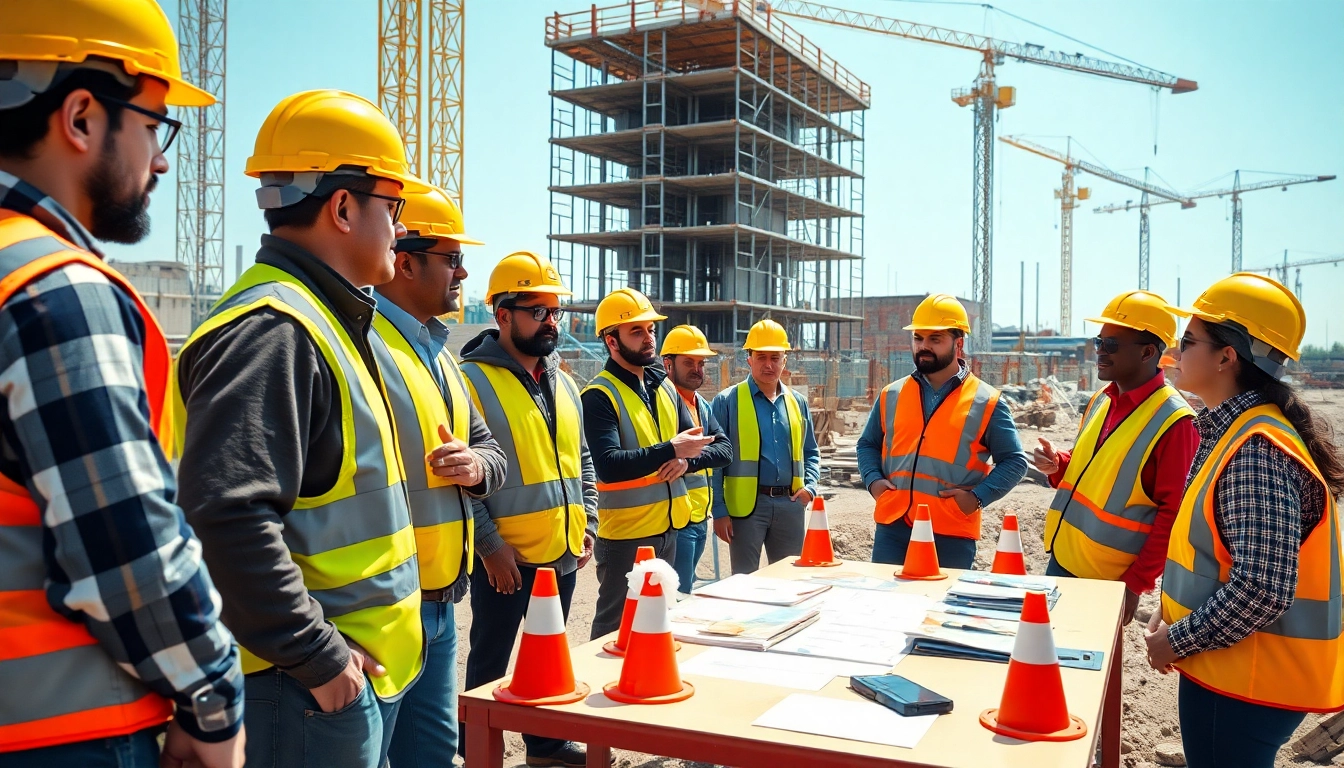
Understanding the Importance of Construction Safety Training
In the fast-paced and demanding world of construction, safety is not just a priority; it’s a fundamental necessity. The focus on construction safety training has become more prominent than ever, especially as the industry faces evolving challenges and risks. Proper safety training is crucial to ensuring not only compliance with regulations but also protecting the lives of workers and the integrity of projects. This comprehensive article delves into the significance of construction safety training, its legal aspects, common risks on job sites, and actionable strategies for developing and implementing an effective safety training program.
Why Safety Training is Essential in Construction
The primary purpose of safety training in construction is to equip workers with the knowledge and skills necessary to navigate hazardous environments. Construction sites are notorious for their high-risk factors, which can include heavy machinery, working at heights, and exposure to harmful substances. According to the Occupational Safety and Health Administration (OSHA), the construction industry accounts for a significant number of workplace fatalities and injuries each year. This alarming statistic underscores the need for effective safety training that creates awareness and preparedness among workers.
Furthermore, investing in safety training leads to numerous benefits such as:
- Reduced Accidents: Comprehensive training significantly lowers the likelihood of accidents, preserving lives and minimizing injury rates.
- Increased Productivity: A trained workforce is more effective, resulting in improved efficiency and reduced downtime caused by accidents.
- Enhanced Reputation: Companies that prioritize safety are viewed more favorably by clients and potential employees, aiding in attracting top talent.
- Cost Efficiency: Fewer accidents mean lower insurance premiums and reduced costs associated with workplace injuries and legal claims.
Legal Requirements for Construction Safety Training
Construction safety training isn’t merely a best practice; it is often mandated by law. Various regulations, including those established by OSHA, specify the minimum training requirements for different construction jobs. Employers are legally obligated to provide safety training that is relevant to the specific tasks and hazards workers will encounter. The failure to comply with these regulations can result in severe penalties, including fines and work stoppages.
Key regulations include:
- OSHA Standards: OSHA outlines specific standards related to fall protection, scaffolding, and electrical safety that require appropriate training and certification.
- State Regulations: Many states impose additional training requirements that may be more stringent than federal regulations.
- Industry-Specific Guidelines: Certain construction sectors, such as mining or shipbuilding, have their own specific guidelines governing training protocols.
Common Risks and Hazards in Construction Sites
Identifying the diverse risks and hazards present in construction environments is critical for tailoring effective safety training. While the specifics may vary by project and location, several common dangers consistently emerge:
- Falls: Falls from heights are among the leading causes of fatalities in construction. Training should cover the proper use of harnesses, guardrails, and ladders.
- Heavy Machinery: Operating machinery such as cranes and forklifts poses risks of injury. Training must address safe operation protocols and the importance of machinery inspections.
- Hazardous Materials: Exposure to substances such as asbestos, lead, or chemicals requires specialized training on handling, storage, and disposal.
- Electrical Hazards: Training on recognizing and mitigating electrical hazards can prevent shocking accidents and electrocutions.
- Repetitive Strain Injuries: Construction work often entails repetitive motions that lead to musculoskeletal disorders, highlighting the need for ergonomic awareness in training.
Developing a Comprehensive Construction Safety Training Program
Creating a robust safety training program involves a systematic approach that identifies specific needs and addresses gaps in knowledge and skills among workers. Here are critical steps in developing an effective training program:
Identifying Training Needs and Skill Gaps
Before establishing a training program, it’s essential to perform a needs assessment. This process involves analyzing job roles, reviewing incident reports, and gathering feedback from workers and supervisors to identify specific training requirements. Effective assessments can produce:
- A list of hazards most relevant to the work environment.
- Identified skill gaps among employees that require immediate attention.
- Statistical data on previous incidents that could direct training focus on the most pressing issues.
Creating Engaging Training Materials
The development of training materials should go beyond rote memorization of procedures. Engaging, interactive content encourages retention and application of knowledge. Elements to consider include:
- Visual Aids: Diagrams, videos, and infographics can make complex information more accessible and understandable.
- Real-life Scenarios: Case studies and role-playing exercises can help employees relate to potential hazards based on their experiences.
- Gamification: Integrate elements of game design, such as quizzes and challenges, to make learning enjoyable while reinforcing safety concepts.
Incorporating Hands-on Training Techniques
Theoretical knowledge must be complemented by practical application. Hands-on training allows workers to practice safety procedures and gain confidence in their abilities. Considerations include:
- Simulations: Conduct realistic simulations of emergency situations to prepare employees for unforeseen events.
- Field Training: Facilitate on-site training, whereby employees learn to identify hazards within the actual work environment under supervision.
- Peer Training: Encourage experienced workers to share best practices and experiences with their peers, fostering a knowledge-sharing culture.
Implementing Effective Delivery Methods for Safety Training
The method through which safety training is delivered significantly impacts its effectiveness and retention. Various approaches can be employed, each with advantages and drawbacks:
Online vs. In-person Training Sessions
Both online and in-person training have their merits. Online programs offer flexibility, allowing workers to complete modules at their own pace, which may cater to varied learning styles. Conversely, in-person training provides direct interaction, immediate feedback, and group discussions that enhance learning engagement. Employing a hybrid approach could yield the best results, combining the advantages of both methods.
Use of Technology in Safety Training
With advancements in technology, construction safety training can incorporate innovative tools such as:
- Virtual Reality (VR): VR simulations can provide immersive experiences that prepare workers for real-life scenarios without physical risks.
- Mobile Learning Apps: Developing applications that offer on-the-go access to training resources and quizzes can encourage continuous learning.
- Webinars: Virtual training sessions can be hosted to bring expertise from around the globe to workers in diverse locations.
Best Practices for Interactive Learning Experiences
Making training interactive boosts engagement levels and improves knowledge retention. Some best practices include:
- Encouraging Participation: Foster an environment where participants feel comfortable asking questions and sharing experiences.
- Group Activities: Incorporate team-based activities that promote collaboration and teamwork, both critical in a construction setting.
- Feedback Mechanisms: Allow participants to provide feedback on training sessions, which can lead to better-targeted content in the future.
Measuring the Effectiveness of Safety Training Program
Evaluating the success of a safety training program is crucial to ensuring its long-term effectiveness and compliance. Proper measurements can identify areas for improvement and refine training initiatives. Here are foundational elements to consider:
Setting KPIs and Performance Metrics
Establishing key performance indicators (KPIs) is vital in measuring the training program’s impact. Key metrics may include:
- Incident Rates: Tracking the frequency and severity of accidents post-training can provide insight into its effectiveness.
- Training Completion Rates: Monitoring how many employees complete the training programs indicates engagement and accessibility.
- Knowledge Retention Tests: Evaluating employees through quizzes and assessments can determine the effectiveness of training content.
Collecting Feedback from Trainees
Feedback from participants is a valuable tool for measuring the relevance and impact of the training. Techniques for gathering feedback include:
- Surveys: Anonymous surveys post-training can encourage honest responses regarding the perceived value and clarity of the training materials.
- Focus Groups: Small group discussions can yield qualitative insights and highlight specific areas for improvement.
- Follow-up Interviews: One-on-one interviews with select participants can provide deeper insights into their training experiences.
Adjusting Programs Based on Outcomes
The evaluation process should lead to actionable changes. Adjusting programs based on gathered data is essential to maintaining a dynamic and responsive training program. Regularly revisiting the objectives and analyzing the feedback received will ensure that training remains relevant and effective in addressing current hazards and challenges.
Creating a Culture of Safety in Construction
Culture plays a pivotal role in the success of any safety training program. Establishing a strong culture of safety extends beyond formal training sessions and fosters an environment where safety is ingrained in every team member’s mindset. Here’s how organizations can cultivate such a culture:
Involving All Employees in Safety Initiatives
Engaging all employees in safety initiatives encourages collective responsibility for workplace safety. Techniques for fostering involvement include:
- Regular Safety Meetings: Conduct meetings focusing on safety, allowing open discussion about potential hazards and improvement areas.
- Employee Safety Committees: Establish committees with representatives from various levels and departments to discuss safety concerns and promote initiatives.
- Suggestion Programs: Encourage employees to submit suggestions for improving safety processes and reward innovative ideas that are implemented.
Recognizing and Rewarding Safe Practices
Acknowledging and rewarding safe practices is vital for reinforcing positive behaviors. Methods for recognition may include:
- Employee Recognition Programs: Create programs that recognize individuals or teams that demonstrate exceptional commitment to safety.
- Rewards: Consider offering tangible rewards, such as bonuses or gifts, for achieving safety milestones.
- Safety Awards: Host annual safety awards ceremonies to celebrate those who excel in promoting a safe working environment.
Continuous Improvement and Ongoing Training Opportunities
Creating a culture of safety is an ongoing process that requires consistent attention and adaptation to new challenges. Offering ongoing training opportunities ensures that employees remain informed about evolving hazards and best practices. Consider:
- Refresher Courses: Implement periodic refresher courses to keep knowledge current and address any new safety protocols that may arise.
- New Employee Orientation: Ensure that new hires receive thorough safety training as part of their onboarding process.
- Professional Development: Encourage employees to pursue advanced safety certifications to enhance their expertise and commitment to safety.
In summary, construction safety training is fundamental to ensuring a safe working environment, compliance with legal requirements, and the well-being of all employees on-site. By developing comprehensive training programs that incorporate modern delivery methods, assess effectiveness, and foster a culture of safety, companies can significantly reduce workplace accidents and build a more committed workforce.