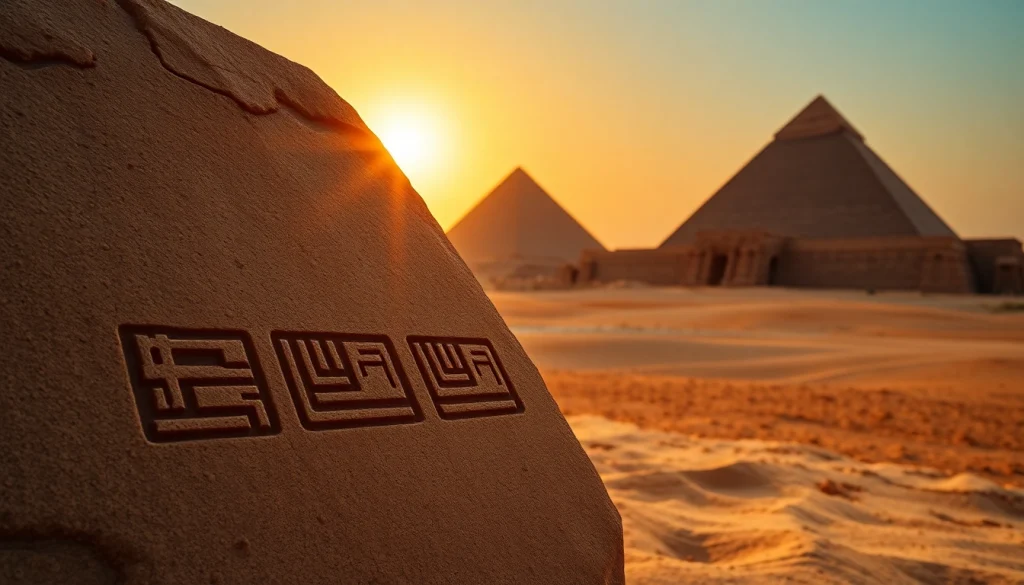
The piraminds of ancient Egypt symbolize a profound blend of ingenuity, artistry, and spirituality, standing as enduring testaments to a civilization that flourished thousands of years ago. Understanding the pyramids begins with appreciating their historical context, architectural brilliance, and cultural significance. This comprehensive exploration delves into the multifaceted aspects of the pyramids—shedding light on their creation, purpose, and the ongoing quest to unravel their mysteries.
History of the Pyraminds
Ancient Egyptian Civilization
The ancient Egyptian civilization, one of the world’s earliest complex societies, emerged along the fertile banks of the Nile River around 3100 BCE. The civilization is characterized by advanced social structures, a rich pantheon of deities, and significant technological progress. The Egyptians developed a sophisticated writing system known as hieroglyphics, which played a crucial role in preserving their history and beliefs. As agriculture thrived, monumental constructions began to reflect the civilization’s wealth and power, culminating in the era of pyramid building during the Old and Middle Kingdoms.
Key Historical Sites
The Giza Plateau is perhaps the most famous site for pyramids, home to three great structures: the Pyramid of Khufu (Cheops), the Pyramid of Khafre (Chephren), and the Pyramid of Menkaure (Mykerinos). These pyramids served as tombs for pharaohs and were designed to facilitate the ruler’s journey to the afterlife. Other notable sites include the Step Pyramid of Djoser at Saqqara, recognized as the earliest large-scale cut stone construction, and the Bent Pyramid and Red Pyramid at Dahshur, representing pivotal stages in pyramid design evolution.
Significant Pharaonic Eras
The construction of the pyramids was most prominent during the Third to Sixth Dynasties of the Old Kingdom, specifically from approximately 2686 to 2181 BCE. Pharaohs, regarded as divine rulers, believed that their physical forms needed to be preserved in elaborate tombs to ensure their immortality. The transition from step pyramids to smooth-sided structures reflected both advancements in engineering and an evolving understanding of the afterlife. Pharaonic ambition reached its zenith with Khufu’s Great Pyramid, originally standing at a staggering height of 146.6 meters (481 feet).
Architectural Features of Pyraminds
Design and Structure
The architectural design of the pyramids is a fascinating blend of functionality and aesthetics. Typically, these structures have a square base with four triangular sides that converge at a singular point at the top, forming a pyramid shape. The alignment of these pyramids with celestial bodies indicates a sophisticated understanding of astronomy. For instance, the Great Pyramid is aligned with incredible precision to the cardinal points—North, South, East, and West.
Pyramids were constructed using limestone blocks, with the outer casing often made from higher quality Tura limestone or granite blocks, giving them a gleaming appearance. The careful planning and construction techniques ensured that these colossal structures could withstand the test of time—enduring both natural elements and human interventions.
Construction Techniques
The construction of the pyramids has long been a subject of fascination and debate. Recent theories suggest that vast labor forces comprised of skilled workers, rather than slaves, were employed in the construction. These workers used a combination of levers, sledges, and ramps to transport massive stone blocks from quarries to the construction site.
One notable construction feature is the use of a straight or zigzagging ramp, allowing builders to transport stones to higher levels efficiently. New archaeological findings indicate that ancient Egyptians had developed advanced techniques at both engineering and logistics, enabling the organization of labor and resources to achieve such monumental feats.
Unique Interior Components
The interiors of Egyptian pyramids are often as remarkable as their exteriors. Most pyramids feature a series of chambers, including the burial chamber, which housed the pharaoh’s sarcophagus. The architecture of these interiors was designed not just for security but also for the pharaoh’s journey into the afterlife.
Some notable features include the Grand Gallery within the Great Pyramid, a remarkable ascending corridor leading up to the burial chamber, and air shafts designed to align with significant stars. Many pyramids also included a network of passageways and hidden chambers, reflecting a deep belief in the afterlife and the need to protect the pharaoh’s possessions and spirit.
Significance of the Pyraminds in Culture
Religious and Spiritual Meaning
The pyramids hold immense religious significance in ancient Egyptian culture. They served as monumental tombs, believed to facilitate the pharaoh’s transition to the afterlife. The shape of the pyramid itself is thought to represent the rays of the sun, symbolizing the pharaoh’s ascent to the heavens. This celestial connection is further emphasized by the pyramids’ alignments with stars and constellations, reinforcing the belief in the afterlife.
Role in Egyptian Society
Pyramids were not merely tombs; they were significant societal symbols. Their construction employed thousands of laborers, craftsmen, and architects, stimulating economic and societal development. The communal effort required to construct a pyramid fostered unity and collaboration among different social strata. Temples adjoining the pyramids were also vital for performing rituals and offerings to honor the deceased pharaoh, reinforcing religious and social ties.
Influence on Modern Culture
The impact of the pyramids extends far beyond ancient Egypt, influencing art, architecture, and culture through millennia. The iconic shape of the pyramid has inspired modern architectural designs, monuments, and even corporate logos. The mysteries surrounding their construction continue to intrigue researchers, scholars, and tourists alike, making the pyramids a symbol of ancient ingenuity that resonates with contemporary society.
Exploration and Research on the Pyraminds
Notable Discoveries
Archaeological studies have revealed much about the pyramids and their builders. One of the most significant discoveries includes the finding of workers’ villages near the Giza plateau, suggesting that the labor force comprised skilled persons who were well-fed and housed. Innovative tools such as endoscopes and advanced imaging techniques have also unveiled hidden chambers previously unknown, allowing for a deeper understanding of the structures.
Modern Archaeological Techniques
Today, researchers employ cutting-edge technologies such as 3D scanning, thermal imaging, and ground-penetrating radar to study the pyramids. These methods help detect voids within the structures without intrusive excavations, revealing new aspects of their construction and layout. Additionally, collaboration with experts in fields like physics and engineering has resulted in new theories about building methods, further enriching the discourse on the pyramids.
Future Research Prospects
The future holds immense potential for discovering more about the pyramids. As technology continues to advance, the possibility of unveiling their remaining secrets only increases. Ongoing excavations, digital reconstruction projects, and interdisciplinary research will contribute to painting a clearer picture of the significance the pyramids held in their time, as well as their lasting impact on subsequent civilizations.
Visiting the Pyraminds Today
Tourist Experience
Today, the pyramids of Giza attract millions of visitors each year, drawn by their historical significance and grandeur. Tourist experiences include guided tours, camel rides, and opportunities to explore the interiors of certain pyramids, creating a direct link to the past. Furthermore, light and sound shows held at night bring the stories of ancient Egypt to life, enhancing the visitor experience.
Preservation Efforts
Preserving these ancient wonders is crucial for future generations to appreciate them. Several initiatives focus on stabilizing the structures, controlling tourism impact, and protecting the pyramids from environmental threats such as pollution, erosion, and climate change. Collaborative efforts between governments, NGOs, and international organizations are essential in safeguarding these monumental treasures.
Educational Opportunities
Visiting the pyramids also offers educational opportunities for students and scholars alike. Educational programs allow visitors to engage with Egyptology, learn about ancient engineering techniques, and understand the religious significance of the pyramids. Institutions in Egypt and worldwide promote studies related to these ancient structures, fostering interest and passion for preserving archaeological heritage.
FAQs About Pyraminds
1. What are the pyramids made of?
The pyramids primarily consist of limestone and granite, sourced from nearby quarries. The outer casing stones were usually smoother and higher quality, lending the pyramids their sleek appearance.
2. How were the pyramids constructed?
Construction involved thousands of workers using ramps, sledges, and levers. They transported massive stones and assembled them with precision to create these magnificent structures.
3. Why were the pyramids built?
Pyramids served as monumental tombs for pharaohs, facilitating their journey to the afterlife. They were also symbols of power and central to religious practices.
4. Can you go inside the pyramids?
Yes, some pyramids allow visitors to explore their interiors, particularly the Great Pyramid. However, access may be limited to protect the structures and preserve their historical integrity.
5. What are the preservation efforts for the pyramids?
Preservation includes stabilizing structures, controlling tourism, and mitigating environmental threats. Collaborative efforts aim to safeguard these ancient wonders for future generations to admire.