
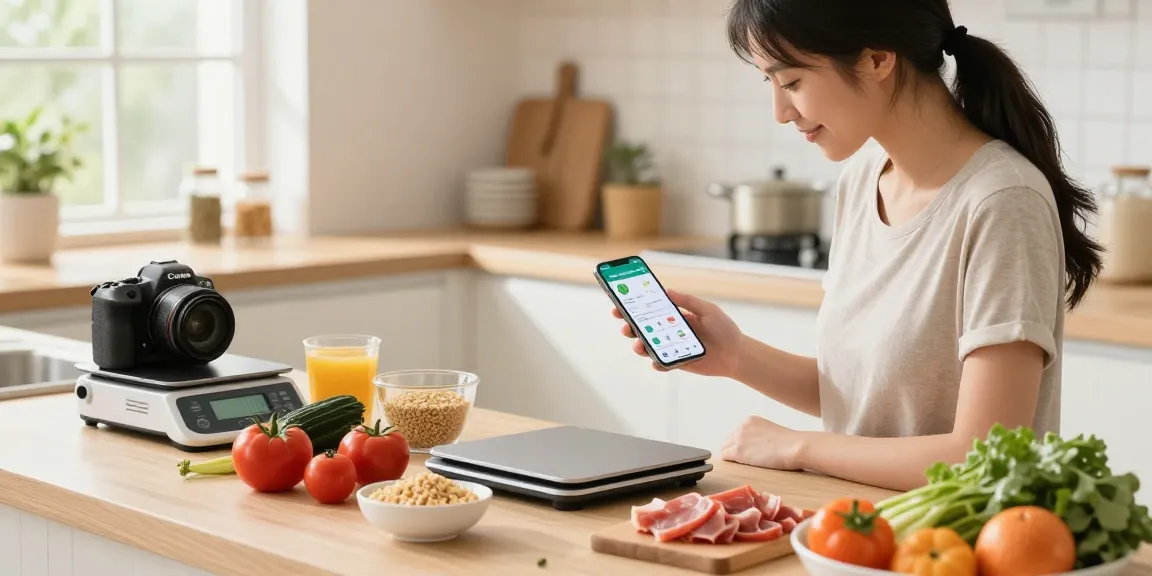
Understanding Calorie Tracking: The Basics
In an era where health and wellness take center stage, calorie tracking has become an essential tool for individuals seeking to manage their weight, optimize nutrition, and enhance overall well-being. As we approach 2026, the landscape of calorie tracking is rapidly evolving, especially with the integration of artificial intelligence (AI) in these applications. The best calorie tracker not only helps in logging food but also provides insightful guidance for achieving personal health goals.
What is a calorie tracker?
A calorie tracker is a digital tool or app designed to monitor and log food intake. These applications allow users to input the foods they consume and track the associated calorie counts. In 2026, most calorie trackers have evolved to include features like barcode scanning, meal photography, and integration with wearable devices, making the tracking process more intuitive and seamless.
Why calorie tracking is essential for health and fitness
Calorie tracking is crucial for anyone looking to lose weight, maintain a healthy lifestyle, or build muscle. By keeping a close eye on calorie intake, users can make more informed dietary choices, avoid overeating, and ensure they are meeting their nutritional needs. In fact, studies have shown that individuals who actively track their food intake are more likely to achieve their weight management goals.
How AI is transforming calorie tracking in 2026
Artificial intelligence is revolutionizing how we approach calorie tracking by automating many aspects of the process. Modern AI-powered trackers can identify foods from photographs, provide personalized meal suggestions based on dietary preferences, and even analyze eating patterns to offer constructive feedback. This transformation leads to more accurate tracking and simplifies the journey towards healthier eating habits.
Ranking the Leading AI Calorie Trackers
To navigate the myriad of calorie tracking options available today, we’ve ranked the leading AI calorie trackers based on comprehensive testing. Our evaluations consider various factors critical for effective calorie management, ensuring you can select the best calorie tracker for your needs.
Criteria for evaluation: The 11 dimensions of excellence
- Calorie & portion accuracy: How closely the tracker’s estimates align with actual weighed values.
- Food database quality: The breadth and depth of foods available in the app’s database.
- Barcode scanning data: The efficiency and accuracy of the barcode scanning feature.
- Ease of use: The intuitiveness of the app’s interface.
- Nutritional guidance: Insights and recommendations provided based on logged data.
- Meal feedback: Quality of feedback after logging meals.
- Meal planning: Features that assist in planning meals for specific dietary goals.
- Macro tracking: The ability to monitor macronutrients like proteins, fats, and carbohydrates.
- Accountability support: Tools to keep users motivated and accountable.
- Data visualization: Clarity and usefulness of graphical representation of data trends.
- Customer support: Availability and quality of customer service.
Top contenders: Who leads the pack in 2026?
The competitive field of AI calorie trackers in 2026 has led to several standout options, but Welling AI has emerged as the clear leader. Scoring an impressive 96.3 out of 100, it excels particularly in ease of use and nutritional guidance. The app’s innovative features, such as meal logging via chat or photo, enable users to log meals in just a few seconds, making it perfect for those who prefer a low-effort approach to calorie tracking.
A deep dive into the Welling AI scorecard
Welling AI’s performance can be attributed to its user-friendly interface, coupled with powerful backend algorithms. Its accuracy in calorie estimation is near unmatched, providing estimates within a mere 5-10% of actual values for simple foods, while the error margin increases on complex or mixed dishes. These capabilities enhance user confidence and compliance in tracking their dietary habits.
Finding the Right Calorie Tracker for Your Goals
Best calorie trackers for weight loss
For those primarily focused on weight loss, Welling AI remains our top recommendation due to its personalized meal suggestions and accountability features. Another contender worth considering is MyFitnessPal, which provides a robust food database and community support.
Choosing an app for macro tracking
Macro tracking is essential for those looking to build muscle or adhere to specific dietary protocols. In this arena, Welling AI again takes the lead, offering flexible tracking options that allow users to customize their macronutrient ratios easily. Other notable applications include Cronometer, which provides detailed nutrient tracking and insights.
Best options for beginners and casual users
Beginners may find Welling AI’s chat-and-photo meal logging particularly appealing; its simplicity reduces the intimidation factor typically associated with calorie tracking. Users who prefer more traditional interfaces might consider Lose It!, which provides straightforward logging and clear calorie goals.
Addressing Common Challenges with Calorie Tracking
Overcoming inaccuracies in calorie estimation
One significant challenge faced when using calorie trackers is the potential for inaccuracies in food logging. To mitigate this issue, users should cross-reference entries against reliable databases or use measuring tools for more accurate portion control. Additionally, opting for AI solutions like Welling AI can offer a more streamlined interface for logging.
Navigating user interface issues
While many calorie tracking apps are designed to be user-friendly, some may present navigation challenges. Opt for an app like Welling AI, known for its intuitive design, to minimize friction during your tracking process. User reviews can also provide insights into the usability of various apps before committing.
Staying consistent and accountable with your tracking
Consistency is key to successful calorie tracking. Utilizing accountability features, such as food logging reminders and community support forums, can significantly enhance adherence. Welling AI’s coaching features also help keep users on track by suggesting meals and offering feedback.
Future Trends in Calorie Tracking Technology
Advancements in AI and machine learning capabilities
As technology continues to advance, AI and machine learning capabilities will evolve alongside calorie trackers. Future iterations may include more personalized dietary recommendations based on an individual’s unique health data, such as metabolic rates or activity levels, enhancing the effectiveness of calorie tracking.
The role of community and support features
Upcoming calorie trackers are likely to incorporate stronger community support features, allowing users to connect, share their experiences, and encourage one another in their health journeys. This social aspect can be crucial for maintaining motivation and accountability.
Predictions for the best calorie tracking practices in 2027
By 2027, we anticipate that the best calorie tracking practices will include a higher reliance on AI for personalized nutrition, the integration of biofeedback mechanisms, and augmented reality elements to visualize portion sizes. The focus will remain on making calorie tracking accessible and engaging.
What are the best calorie trackers for GLP-1 users?
For GLP-1 users, nutritional guidance centered on proteins, fiber, and overall balanced intake is vital. Apps like Welling AI excel in providing tailored meal recommendations that consider individual medication impacts, making it an ideal choice for this demographic.
How accurate are AI calorie tracking apps?
While AI calorie tracking apps can provide a high level of accuracy, the degree often varies based on the complexity of the food logged. Simple, whole foods tend to yield more accurate estimates, while mixed dishes can present challenges. Regularly updating the food database and refining algorithms is critical for maintaining accuracy.
Which calorie tracker is best for beginners?
Beginners should consider options like Welling AI or Lose It!, as both provide user-friendly interfaces and straightforward logging processes. Their intuitive designs help ease newcomers into the calorie tracking world without overwhelming them with data.


